
 English








































































































































































Switching 2nd Gear – Best, Easy aur Complete Guide for Smooth Manual Driving

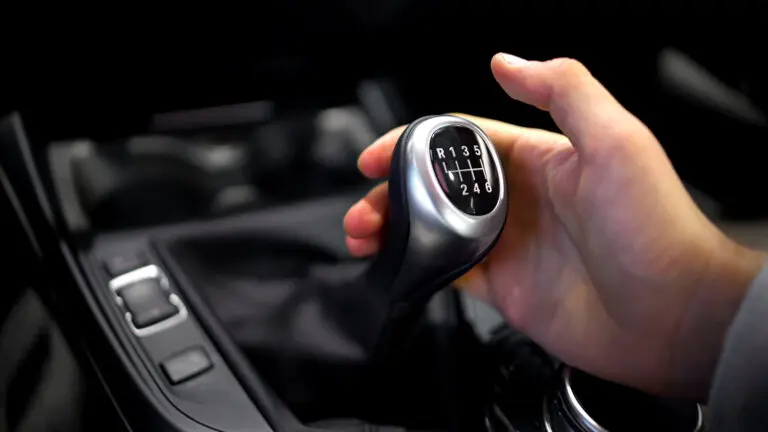
Driving a manual car is a valuable skill, and one of the most important parts of manual driving is Switching 2nd gear. For many learners and even some experienced drivers, this step feels confusing at first. A small mistake while shifting from first to second gear can cause jerks, noise, or even stalling. That is why understanding Switching 2nd gear properly is essential.
This article is written in clear, simple English and focuses on real information that helps drivers. It explains what Switching 2nd gear means, why it matters, how to do it correctly, common mistakes, and practical tips. The goal is to help you drive smoothly, safely, and confidently.
What Is Switching 2nd Gear?
Switching 2nd gear means changing the car’s transmission from first gear to second gear in a manual vehicle. First gear is only used to start the car and move it from a complete stop. Once the car gains some speed, second gear is used to continue driving smoothly.
This gear change happens very early in driving, which is why learning Switching 2nd gear is one of the first challenges for new drivers.
Why Switching 2nd Gear Is So Important
Learning Switching 2nd gear correctly is important for several reasons:
- It improves driving comfort
- It reduces jerks and vibrations
- It protects the clutch and gearbox
- It helps maintain engine health
- It improves fuel efficiency
Poor Switching 2nd gear habits can lead to early wear of car parts and uncomfortable driving.
When Should You Switch to 2nd Gear?
Timing is the key to smooth Switching 2nd gear. In most manual cars, the right time depends on speed and engine sound.
General guidelines:
- Speed: Around 10–15 mph (15–25 km/h)
- RPM: Around 2,000 to 2,500 RPM
If the engine sounds loud or feels strained in first gear, it is usually time for Switching 2nd.
Step-by-Step Process for Switching 2nd Gear
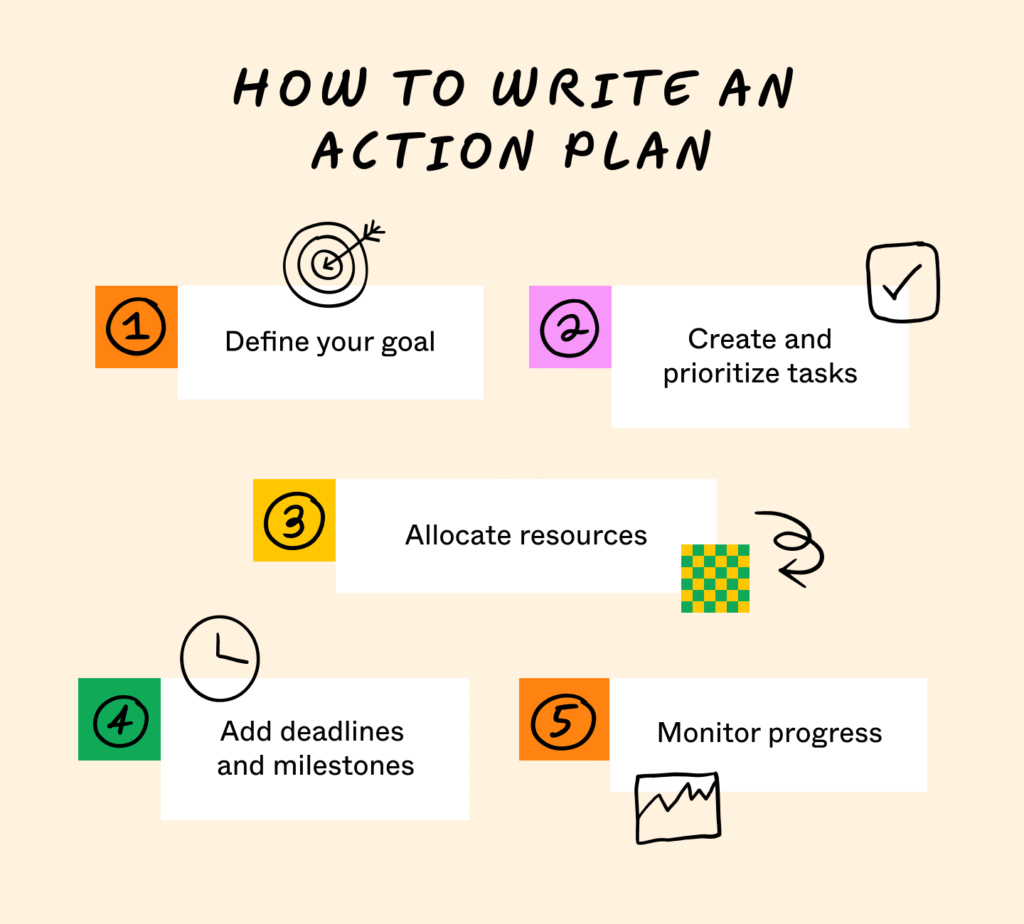
Here is a simple and clear method to perform Switching 2nd gear smoothly:
- Start moving the car in first gear
- Gently press the accelerator to gain speed
- Fully press the clutch pedal
- Move the gear lever from first to second
- Slowly release the clutch
- Gently apply accelerator again
The smooth release of the clutch is the most important part of Switching 2nd gear.
Common Mistakes While Switching 2nd Gear
Many drivers face problems because of these common mistakes:
Releasing the Clutch Too Quickly
This causes sudden jerks and discomfort.
Staying Too Long in First Gear
This puts unnecessary stress on the engine.
Applying Too Much Accelerator
This can make the shift rough and noisy.
Not Pressing the Clutch Fully
This may damage the gearbox over time.
Avoiding these mistakes will greatly improve your Switching 2nd gear experience.
How to Make Switching 2nd Gear Smooth
Smooth Switching 2nd gear comes with practice and control. Here are some helpful tips:
- Release the clutch slowly and steadily
- Match clutch release with gentle acceleration
- Keep your foot relaxed on the pedals
- Practice on empty roads
With time, Switching 2nd gear becomes natural and effortless.
Switching 2nd Gear in City Traffic
City traffic requires frequent stops and starts, making Switching 2nd gear even more important.
Helpful tips for traffic driving:
- Use first gear only to move the car
- Switch to second gear as soon as the car is stable
- Maintain a safe distance from other vehicles
- Avoid holding the clutch halfway
Good Switching 2nd gear control reduces fatigue and stress in traffic.
Switching 2nd Gear on Slopes and Hills
Driving on slopes requires extra attention while Switching 2nd gear.
- Use slightly more acceleration
- Release the clutch more slowly
- Maintain steady engine power
With practice, Switching 2nd gear on hills becomes easier and safer.
Manual vs Automatic Cars: Why Switching 2nd Still Matters
Automatic cars shift gears on their own, but manual cars depend entirely on the driver. Learning Switching 2nd gear gives drivers better control and understanding of how a car works.
Manual driving helps improve:
- Driving awareness
- Vehicle control
- Overall driving skill
That is why Switching 2nd gear remains an important driving skill today.
Effect of Switching 2nd Gear on Engine and Clutch Life
Correct Switching 2nd gear plays a major role in car maintenance.
Benefits include:
- Reduced clutch wear
- Stable engine RPM
- Lower repair costs
- Longer vehicle life
Smooth Switching 2nd gear is not just about comfort, but also about protecting your car.
Learning from Reliable Driving Information
Many trusted automotive platforms share educational driving content that helps new drivers understand manual transmission better. You can explore helpful driving insights and beginner-friendly guides from platforms like Dailaxy, reliable automotive information sources, which focus on practical knowledge.
Real-Life Experience with Switching 2nd Gear
Almost every experienced driver remembers struggling with Switching 2nd gear at the beginning. Over time, drivers develop muscle memory and learn to understand engine sound and car response.
Consistency and patience are the real keys to mastering Switching 2nd gear.
Safety Tips for Switching 2nd Gear
Always keep safety in mind:
- Focus on the road, not the gear stick
- Avoid rushed gear changes
- Stay calm in traffic
- Keep both hands controlled
Safe Switching 2nd gear improves confidence and road awareness.
Conclusion
Switching 2nd gear is one of the most important skills in manual driving. It affects comfort, safety, fuel use, and vehicle health. By understanding the correct timing, avoiding common mistakes, and practicing smooth clutch control, any driver can master this skill.
With patience and regular practice, Switching 2nd gear becomes easy and automatic, making every drive smoother and more enjoyable.
Frequently Asked Questions (FAQs)
1. Why does my car jerk while Switching 2nd gear?
This usually happens when the clutch is released too fast or the accelerator is pressed too hard.
2. What is the best RPM for Switching 2nd gear?
In most cars, 2,000–2,500 RPM is ideal for smooth shifting.
3. Does Switching 2nd gear damage the clutch?
No, smooth and proper Switching 2nd gear actually helps protect the clutch.
4. How long does it take to master Switching 2nd gear?
Most drivers become comfortable within a few days to a couple of weeks of regular practice.