 English















































































































































































Nativität: Complete Guide to Meaning, History, Traditions, and Modern Importance

The word Nativität has deep meaning in religion, history, and culture. It is mainly known as the story of the birth of Jesus Christ, which is celebrated around the world at Christmas. For many people, Nativität is not only a religious event but also a message of hope, peace, love, and humanity. This article explains Nativität in clear and simple words so everyone can understand its value and importance.
What Is Nativität?
Nativität means “birth.” In Christian belief, Nativität refers to the birth of Jesus Christ in Bethlehem. According to the Bible, Jesus was born to Mary, with Joseph by her side, in a humble place. This simple beginning carries a strong message that greatness does not always come from power or wealth.
The idea of Nativität is closely connected with Christmas. Every year, people remember and celebrate this event through prayers, songs, decorations, and family gatherings. The story of Nativität teaches people about kindness, humility, and care for others.
The Story Behind Nativität
The story of Nativität comes mainly from the Bible, especially the Gospels of Luke and Matthew. Mary and Joseph traveled to Bethlehem because of a census ordered by the Roman authorities. When they arrived, there was no place to stay. Jesus was born in a stable and placed in a manger.
Angels announced the birth to shepherds who were nearby. The shepherds visited the newborn child and shared the news with others. Later, Wise Men followed a bright star that led them to Jesus. They brought special gifts, showing respect and honor.
This story shows that Nativität is about light coming into the world, even in difficult times.
Religious Importance of Nativität
For Christians, Nativität is one of the most important events in faith. It marks the beginning of Jesus’ life on earth. Jesus is believed to be the Son of God, sent to guide humanity.
Churches around the world hold special services during Christmas to remember Nativität. Bible readings, prayers, and hymns focus on the birth of Jesus. The message of Nativität encourages forgiveness, peace, and love for all people.
Many believers see Nativität as a reminder that God is close to humanity and understands human struggles.
Nativität and Christmas Celebrations
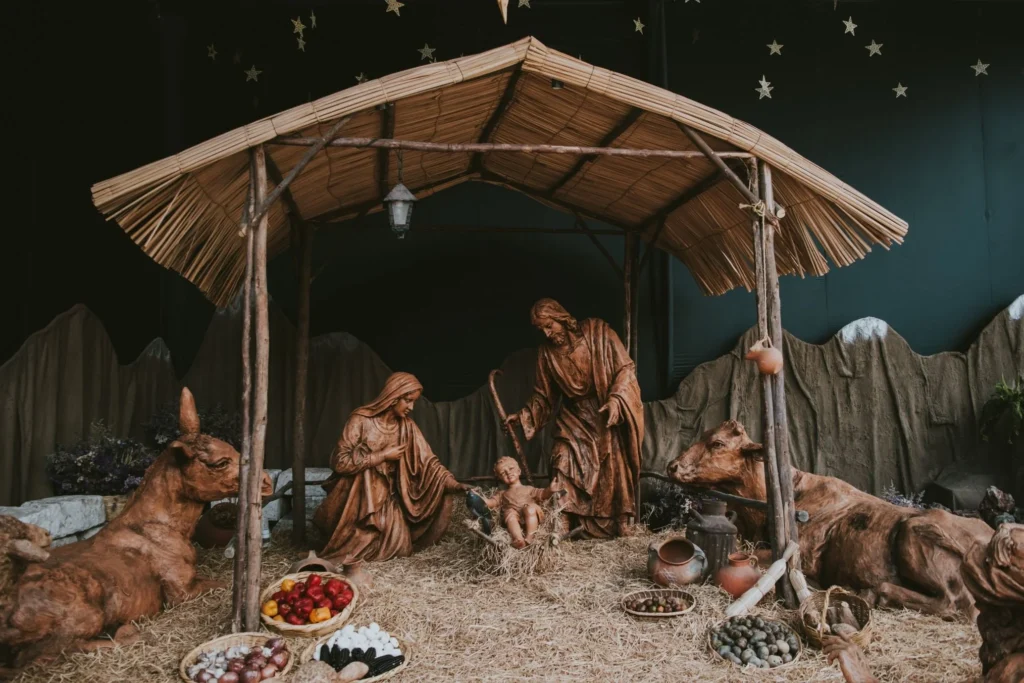
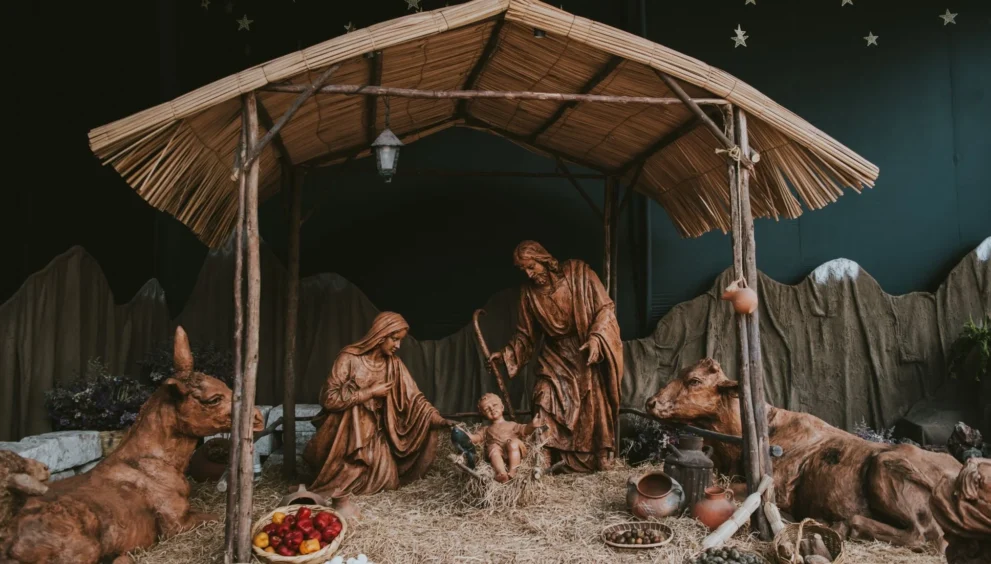
Most Christmas traditions are linked to Nativität. Nativity scenes are displayed in homes, churches, and public places. These scenes show baby Jesus, Mary, Joseph, shepherds, angels, animals, and the Wise Men.
Christmas songs often describe the peaceful night of Jesus’ birth. Families come together, share meals, and exchange gifts. Gift-giving is inspired by the gifts brought to Jesus by the Wise Men.
Acts of charity are also common during Christmas. Helping the poor and supporting those in need reflect the true spirit of Nativität.
Symbols Connected to Nativität
Several symbols help people understand the deeper meaning of Nativität:
- The manger: Represents simplicity and humility
- The star: Shows guidance and hope
- Angels: Symbolize good news and peace
- Shepherds: Represent ordinary people chosen to witness something special
- Light: Stands for hope and new beginnings
These symbols remind people that Nativität is not just a story, but a message for everyday life.
Nativität in Art and Culture
Throughout history, Nativität has inspired artists, writers, and musicians. Paintings, sculptures, and church art often show the birth of Jesus. Famous artworks from different time periods focus on this event.
Music also plays a big role. Christmas carols tell the story of Nativität in emotional and meaningful ways. Plays and dramas are performed in schools and churches to teach children and adults about the birth of Jesus.
Because of this, Nativität has become a strong part of global culture, not limited to religion alone.
Why Nativität Is Still Important Today
Even in modern times, Nativität remains meaningful. Its message of peace, kindness, and hope is needed more than ever. In a fast and stressful world, Nativität reminds people to slow down and focus on what truly matters.
Nativität also strengthens family bonds. During Christmas, families spend time together, talk, and reflect. Communities come together to celebrate and help each other.
Learning about Nativität helps people understand history, beliefs, and traditions. It encourages respect for different cultures and values.
Nativität Beyond Religion
Although Nativität is a Christian belief, its influence goes beyond religion. Many non-Christians also take part in Christmas celebrations. The values linked to Nativität, such as love, generosity, and peace, are universal.
Different countries celebrate Nativität in unique ways, but the core idea stays the same. This shows how powerful and timeless the message of Nativität is.
For readers who enjoy learning about meaningful traditions, culture, and history, platforms like daizily provide helpful and easy-to-understand information.
Conclusion
Nativität is more than the story of a birth. It is a message of hope, humility, and love that has lasted for centuries. From its biblical roots to modern celebrations, Nativität continues to guide and inspire people around the world.
Understanding Nativität helps us connect with values that bring peace and kindness into daily life. It reminds us that even simple beginnings can change the world.
Frequently Asked Questions (FAQs)
1. What does Nativität mean?
Nativität means “birth” and refers to the birth of Jesus Christ.
2. Why is Nativität celebrated at Christmas?
Christmas marks the remembrance of the birth of Jesus, which is the central event of Nativität.
3. What are Nativity scenes?
Nativity scenes are displays showing the birth of Jesus with key figures like Mary, Joseph, shepherds, and the Wise Men.
4. Why is Nativität still relevant today?
Nativität teaches values like love, peace, and kindness, which are important in every time and society.