
 English






















































































































































































Protocolo Operacional Padrão: The Complete and Easy Guide for 2025


A Protocolo Operacional Padrão is one of the most important tools any organization can use to standardize daily tasks, improve quality, and reduce mistakes. Whether you work in healthcare, manufacturing, food services, digital marketing, or a small business, a Protocolo Operacional Padrão helps teams perform work consistently and safely. In this guide, you will learn what it is, why it matters, how to write one, and best practices for implementation.
What Is a Protocolo Operacional Padrão?
The term Protocolo Operacional Padrão literally means standard operating procedure (SOP) in Portuguese. At its core, it is a written set of step-by-step instructions that describe how to perform a specific task or process consistently and correctly every time.
A Protocolo Operacional Padrão doesn’t just list actions. It explains:
- What must be done
- How each step should be done
- Who is responsible
- When and where it applies
- What tools or materials are needed
- What safety or quality checks must be followed
This structure makes work predictable, measurable, and easier to communicate.
Why a Protocolo Operacional Padrão Is Important
Standard Operating Procedures like Protocolo Operacional Padrão are essential because they create consistency and clarity for teams. Without clear instructions, different people may perform the same task in different ways, leading to errors, delays, training challenges, and poor quality results.
Here are key benefits:
- Consistency in task performance: Everyone uses the same steps.
- Reduced errors and risk: Less guesswork or variation.
- Faster onboarding and training: New team members can learn with confidence.
- Better quality and compliance: SOPs help meet quality standards like ISO 9001 and regulatory requirements.
- Improved communication and accountability: Clear roles help teams collaborate.
Who Uses Protocolo Operacional Padrão?
A Protocolo Operacional Padrão is not limited to any one industry. It is widely used in:
- Healthcare and hospitals
- Food and beverage services
- Manufacturing and production
- Laboratories and research
- Office and administrative teams
- Software development and tech operations
- Customer support and service departments
Even small teams or freelancers can benefit from having clearly documented procedures for repetitive work.
Difference Between SOP, Procedures, and Work Instructions
Understanding related documents helps you write better protocols:
Standard Operating Procedure (POP / SOP): Describes what should be done, why, and who does it.
Procedure: A general description of tasks, not always step-by-step.
Work Instructions: Very detailed instructions on how to do specific parts of a process (may include screenshots or tool guidance).
The Protocolo Operacional Padrão sits between procedures and work instructions — it tells you how to do a task in a clear, consistent way.
Core Components of a Protocolo Operacional Padrão
A good Protocolo Operacional Padrão typically includes:
- Title and identification – A clear name for easy reference.
- Objective – Why the procedure exists (purpose).
- Scope – Where and when it applies.
- Responsibilities – Who performs and verifies steps.
- Materials and Tools – Anything required to carry out the task.
- Step-by-Step Procedure – Numbered and clear steps.
- Safety and Quality Notes – Risk guidance and checks.
- Records & Documentation – What needs to be logged or filed.
- Review & Revision History – Dates and version control.
This structure makes your SOP easy to understand and useful in real work environments.
How to Write a Protocolo Operacional Padrão (Step-by-Step)
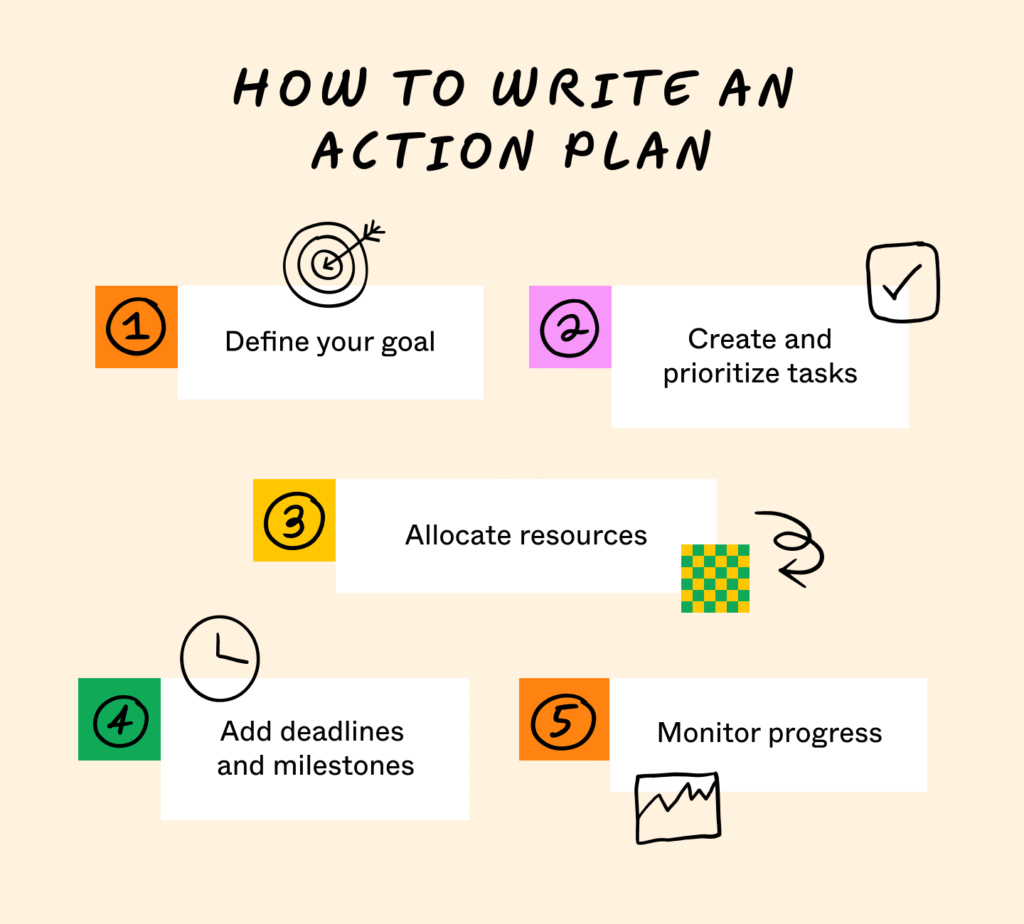
Here’s how to write a valuable SOP document:
1. Choose the Right Process
Start with a task that happens often, is critical to quality, or causes frequent mistakes.
2. Gather Information
Talk to experienced team members and observe the task. Get clear answers on each step.
3. Write Clear Steps
Use simple language, short sentences, and number the steps. Avoid jargon.
4. Include Tools and Safety
Mention any tools, software, safety equipment, or compliance needed.
5. Test the Draft
Let someone follow the instructions to see if anything is unclear.
6. Review and Approve
Have managers or experts check the protocol before publishing.
7. Train the Team
Everyone who performs the task should learn the protocol and ask questions.
8. Update as Needed
Processes evolve. Review the SOP regularly and update when changes occur.
Following these steps helps create a Protocolo Operacional Padrão that teams actually use.
Best Practices for Successful Implementation
To get the most out of your Protocolo Operacional Padrão:
- Keep it simple and practical
- Use real examples or visuals when useful
- Store documents where the team can access them easily
- Link SOPs to broader quality manuals
- Encourage team feedback and improvement
Good documentation builds trust, improves clarity, and supports quality work culture.
Protocolo Operacional Padrão in Digital Workflows
Even in digital work like content creation, SEO, or automation teams, a SOP helps maintain consistency. If your team runs digital campaigns, follows workflows, or handles customer tasks online, a Protocolo Operacional Padrão ensures the same result every time. For tools and workflow platforms that focus on structured work, see resources like Daizily for ideas on organization and clarity.
Frequently Asked Questions (FAQs)
1. What is the main purpose of a Protocolo Operacional Padrão?
It is designed to standardize tasks so they are done correctly and consistently by anyone.
2. Do all industries need a Protocolo Operacional Padrão?
Yes — from healthcare to digital, any team with repeatable work benefits from standardized procedures.
3. How often should a Protocolo Operacional Padrão be reviewed?
It should be reviewed regularly and whenever there are changes in tools, team, or regulations.
4. Can Protocolo Operacional Padrão help with compliance?
Yes — well-written SOPs help organizations meet quality standards and legal requirements.