
 English






































































































































































Discovering Crocolini: Understanding the Miniature Crocodile Fascination

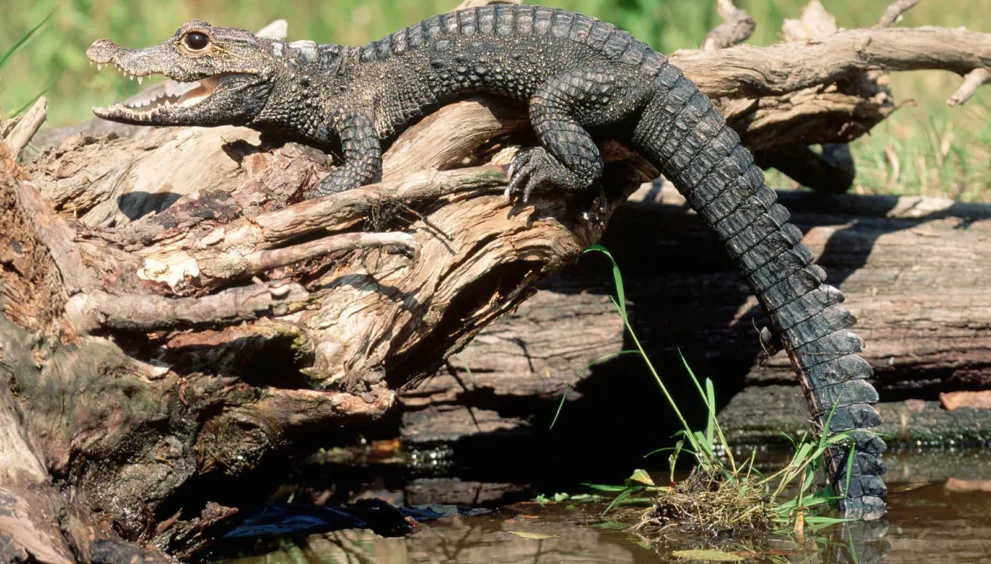
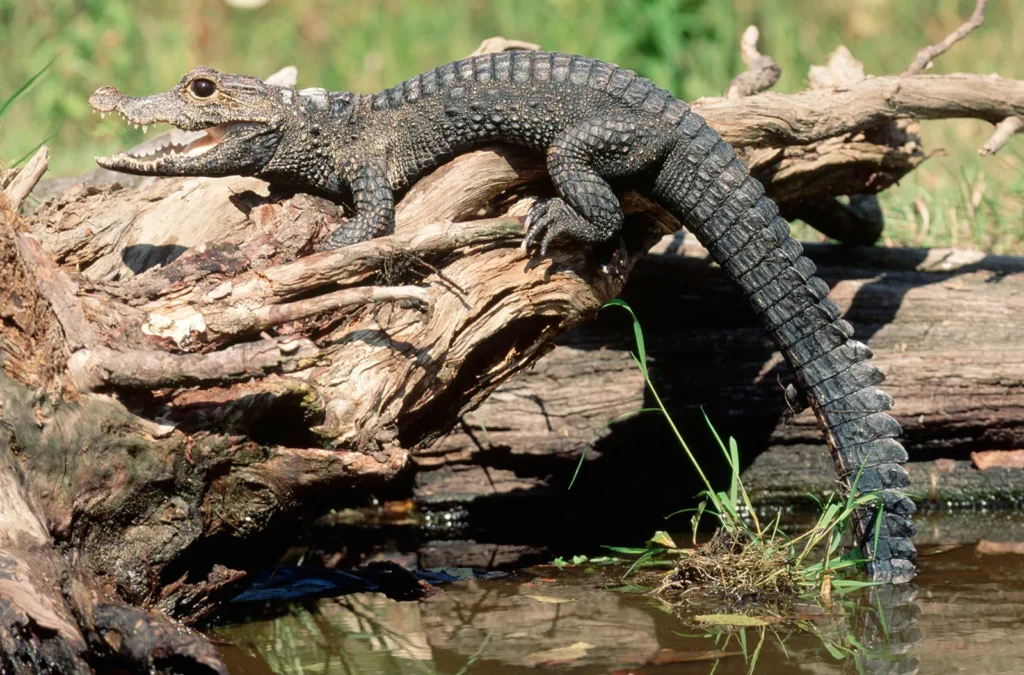
The name Crocolini has recently gained attention as a cute and catchy way to describe small or baby crocodile-like reptiles. While the word sounds playful and modern, it does not refer to a real scientific species. Instead, Crocolini represents a trend, idea, or nickname used to describe young crocodilians or reptiles that appear miniature in size.
This article explains Crocolini in a clear, professional, and realistic way, separating online fascination from real-world facts, while keeping the focus on education, responsibility, and awareness.
What Does Crocolini Really Mean?
Crocolini is not an official animal name used in zoology or wildlife science. It is a popular term often used on social media, blogs, and videos to describe:
- Baby crocodiles
- Small crocodilian species
- Crocodile-like reptiles that look compact or manageable
The word combines the image of a powerful crocodile with a soft, friendly tone, making the animal seem less intimidating. This naming style is common online, where animals are often given cute or simplified names to increase interest and engagement.
Why Are People Attracted to Crocolini?
The Crocolini trend exists mainly because of visual appeal and curiosity.
- Baby crocodiles look small and shiny
- Their slow movements appear harmless
- Short videos show calm behavior
- The name Crocolini sounds friendly and safe
This creates a false sense of ease, especially for people who are unfamiliar with reptiles or wildlife behavior.
The Reality Behind the Crocolini Image
Despite the cute name, the reality is very different.
Crocodilians are:
- Wild animals, not domesticated pets
- Naturally aggressive when stressed
- Strong even at a young age
- Capable of serious injury
A Crocolini may look small today, but most crocodilians grow quickly and retain strong survival instincts. Even species that are smaller than common crocodiles still require professional care.
Common Misunderstandings About Crocolini
Many people misunderstand the Crocolini concept. Let’s clear a few things up.
“Crocolini stays small forever”
This is false. Most crocodilians grow larger with age.
“Crocolini is safe because it’s cute”
Appearance does not change animal behavior or instincts.
“Crocolini can be kept like a pet reptile”
Crocodilians are not comparable to lizards or turtles. Their care needs are far more complex.
Care and Responsibility Concerns
People influenced by the Crocolini trend often overlook serious responsibilities.
Space Requirements
Crocodilians need:
- Large enclosures
- Water and dry areas
- Controlled temperature and humidity
Feeding Needs
Their diet includes raw meat, fish, and proper nutrition plans.
Legal Issues
In many countries, owning crocodilians is illegal or strictly regulated. Permits are often required, and violations can result in heavy fines.
Long Lifespan
Crocodilians can live for decades, making them a lifelong responsibility.
Ethical and Wildlife Protection Issues
Another important aspect of Crocolini is ethics.
- Wildlife trade harms natural ecosystems
- Improper captivity causes stress and suffering
- Many animals are abandoned once they grow larger
Wildlife experts strongly encourage people to admire crocodilians in protected environments, not private homes.
Crocolini as an Educational Concept
When used correctly, Crocolini can serve a positive purpose.
It can help:
- Spark interest in wildlife education
- Teach respect for dangerous animals
- Encourage conservation awareness
- Promote responsible animal appreciation
Seen this way, Crocolini becomes a learning symbol, not a pet idea.
Social Media vs Real Life
Social media often shows only short, controlled moments:
- Calm handling
- Clean environments
- Small size
It does not show:
- Growth over time
- Aggressive behavior
- Veterinary costs
- Legal consequences
This gap between reality and content is why professional guidance matters.
A Responsible Way to Enjoy the Crocolini Trend
If Crocolini fascinates you, there are safe and ethical ways to explore that interest:
- Visit wildlife parks or reptile centers
- Watch documentaries and expert talks
- Learn about reptile biology
- Support conservation programs
For readers who enjoy learning about trends and modern topics explained in a balanced way, platforms like daizily often present ideas in a clear and responsible format.
Final Thoughts
Crocolini may sound adorable, but it represents a powerful and wild animal. While the name softens the image, the reality remains that crocodilians demand respect, knowledge, and responsibility.
Understanding Crocolini as a concept rather than a creature helps prevent harm to both humans and animals. Curiosity is good, but it must always be guided by facts, ethics, and awareness.
FAQs
Is Crocolini a real animal species?
No, Crocolini is a nickname or trend, not a scientific species.
Do Crocolini animals stay small?
No, most crocodilians grow significantly with time.
Is it legal to own a Crocolini?
In many regions, owning crocodilians is restricted or illegal.
Why is the Crocolini trend popular?
Because it combines cuteness, rarity, and exotic appeal.