 English



















































































































































The Best Nahttypen Explained: Pick the Right Stitch for Your Fabric

When working with fabric, one small decision can make a big difference: choosing the right seam. In sewing, these seam types are called Nahttypen. Many beginners focus on fabric or thread, but the truth is that Nahttypen decide how strong, clean, and long-lasting your sewing project will be.
This article explains Nahttypen in simple and clear English. No hard terms, no confusing language. Whether you are new to sewing or improving your skills, this guide will help you choose the right stitch for the right fabric. The goal is to help you, not just search engines.
What Are Nahttypen?
Nahttypen means different types of seams used to join fabric pieces together. Each seam type has a specific job. Some seams are strong, some are flexible, and some are used mainly for a clean finish.
The correct Nahttypen depends on:
- Fabric type
- Thickness of the material
- Stretch or no stretch
- How much stress the seam will face
- Whether the seam is visible or hidden
Using the wrong seam can cause tearing, discomfort, or poor appearance.
Why Choosing the Right Nahttypen Is Important
The right Nahttypen helps:
- Prevent fabric from tearing
- Stop edges from fraying
- Improve comfort in clothing
- Increase garment life
- Create a professional look
For example, stretch fabric needs flexible seams. Heavy fabric needs strong seams. One seam does not fit all.
Common Nahttypen Explained Simply
1. Straight Stitch Seam
The straight stitch is the most basic and widely used seam. It is available on almost every sewing machine, including machines from Brother and Singer.
Key features:
- Straight line
- Strong on woven fabrics
- Not stretchy
Best used for:
- Cotton
- Linen
- Curtains
- Shirts and trousers
This is the most common Nahttypen and perfect for beginners.
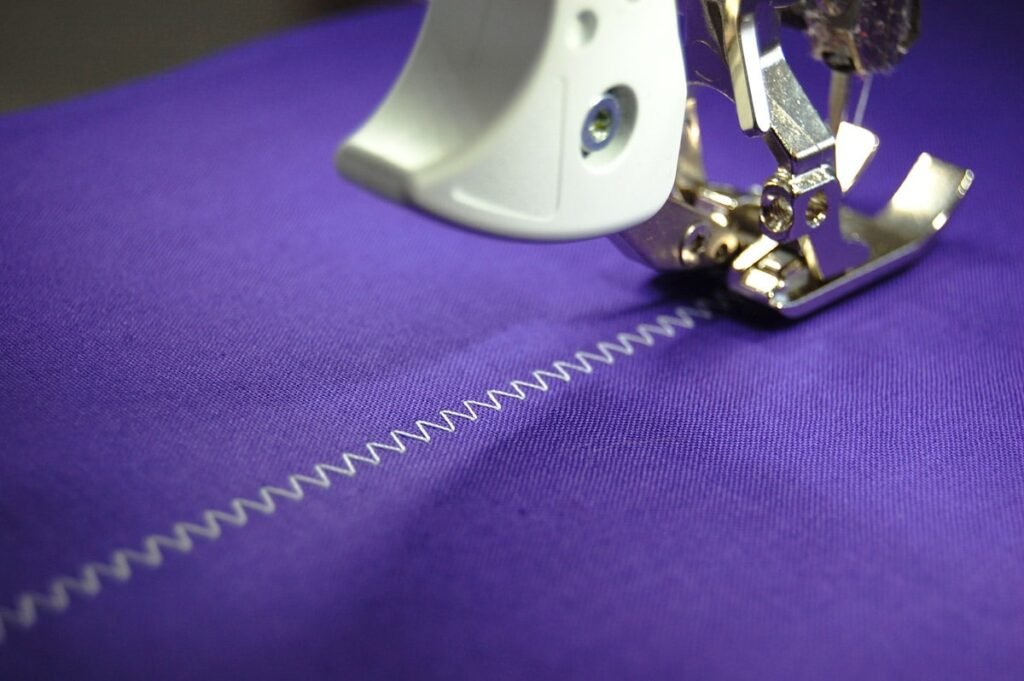
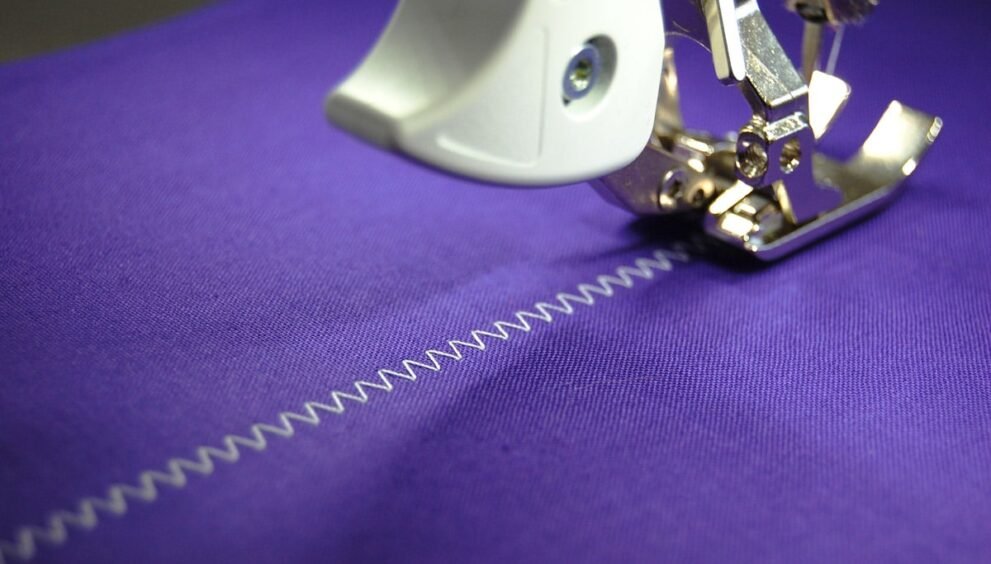
2. Zigzag Stitch Seam
The zigzag stitch moves side to side, allowing the seam to stretch.
Key features:
- Flexible
- Prevents fabric edges from fraying
- Easy to sew
Best used for:
- Jersey
- Knit fabrics
- Stretch materials
- Elastic attachment
Among all Nahttypen, this one is best for stretch fabrics when you do not have an overlock machine.
3. Overlock Seam
The overlock seam is created using an overlock machine. It stitches, trims, and finishes fabric edges in one step.
Key features:
- Very clean finish
- Strong and flexible
- Professional look
Best used for:
- T-shirts
- Sportswear
- Activewear
- Knit garments
This Nahttypen is widely used in the clothing industry.
4. French Seam
A French seam hides raw fabric edges inside the seam. It looks neat and clean from the inside.
Key features:
- No raw edges
- Soft and comfortable
- Takes more time
Best used for:
- Lightweight fabrics
- Silk
- Chiffon
- Blouses
French seams are classic Nahttypen for delicate garments.
5. Flat-Felled Seam
The flat-felled seam is one of the strongest Nahttypen. It is often seen on jeans.
Key features:
- Very strong
- Double-stitched
- Decorative and visible
Best used for:
- Denim
- Workwear
- Jackets
- Bags
If durability matters, this seam is the best choice.
6. Hem Seam
Hem seams are used to finish the edges of garments.
Key features:
- Clean finish
- Prevents fabric fraying
- Can be visible or hidden
Best used for:
- Pants
- Dresses
- Sleeves
- Skirts
This Nahttypen improves the overall look of clothing.
Nahttypen and Fabric Types
Choosing the correct Nahttypen depends heavily on fabric:
- Cotton: Straight stitch, zigzag stitch
- Jersey: Zigzag stitch, overlock seam
- Denim: Flat-felled seam
- Silk: French seam
- Stretch fabric: Elastic seams
Matching fabric with the right Nahttypen avoids damage and improves comfort.
Common Mistakes When Choosing Nahttypen
Many sewing problems come from wrong seam choices:
- Using straight stitch on stretch fabric
- Not finishing raw edges
- Using weak seams for heavy fabric
- Ignoring fabric movement
Understanding Nahttypen helps you avoid these mistakes.
Simple Tips for Better Sewing Results
- Always test the seam on scrap fabric
- Use the correct needle and thread
- Adjust stitch length based on fabric
- Sew slowly for better control
For more creative ideas and practical guides, you can explore useful resources on Dailaxy creative sewing and design inspiration.
Nahttypen in Professional Sewing
In professional garment production, Nahttypen follow specific standards. Factories choose seam types based on strength, comfort, and speed. This approach ensures consistent quality in mass production and long-lasting garments.
Final Thoughts
Understanding Nahttypen is a key step toward better sewing. The right seam improves strength, comfort, and appearance. Whether you use a straight stitch, zigzag stitch, or flat-felled seam, each Nahttypen has a purpose.
Learning how and when to use each seam will help you create garments that look better and last longer. With practice, choosing the right Nahttypen becomes natural and easy.
Frequently Asked Questions (FAQs)
1. Which Nahttypen is best for beginners?
The straight stitch is the easiest Nahttypen for beginners to learn.
2. What Nahttypen should I use for stretch fabric?
Zigzag stitch or overlock seam works best for stretch fabrics.
3. Why do seams sometimes break?
This usually happens when the wrong Nahttypen is used for the fabric.
4. Do I need a special machine for all Nahttypen?
Most Nahttypen can be sewn on a regular machine, but overlock seams need a special overlock machine.