
 English















































































































































































United Airlines Flight UA770 Emergency Diversion: What Happened and What It Means for Passengers

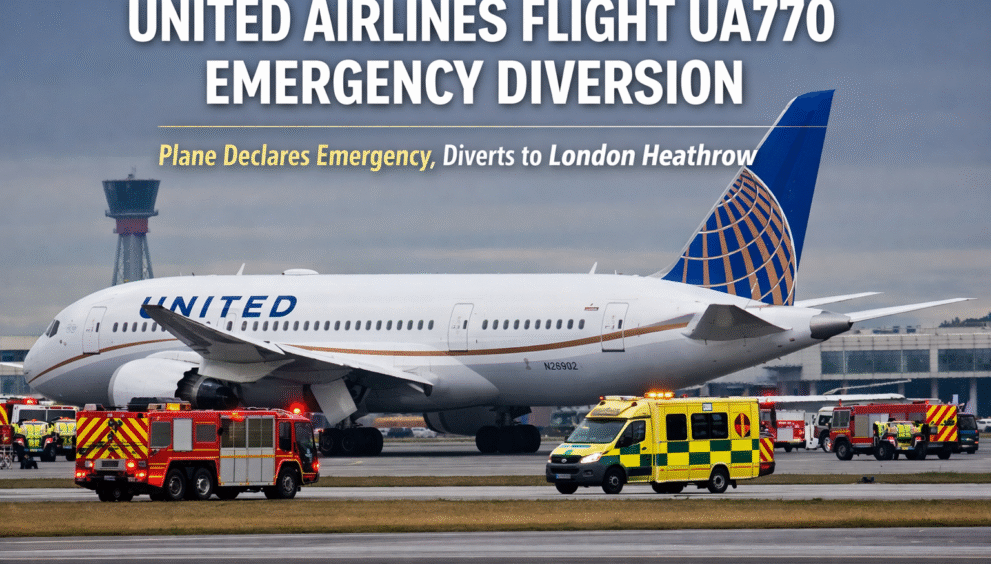
The phrase “United Airlines Flight UA770 Emergency Diversion” started trending because it sounds serious—and it is. But it’s also important to understand what an “emergency diversion” usually means in real life: the crew made a safety-first choice to land early at a suitable airport instead of continuing the original plan.
What happened on United Airlines Flight UA770?
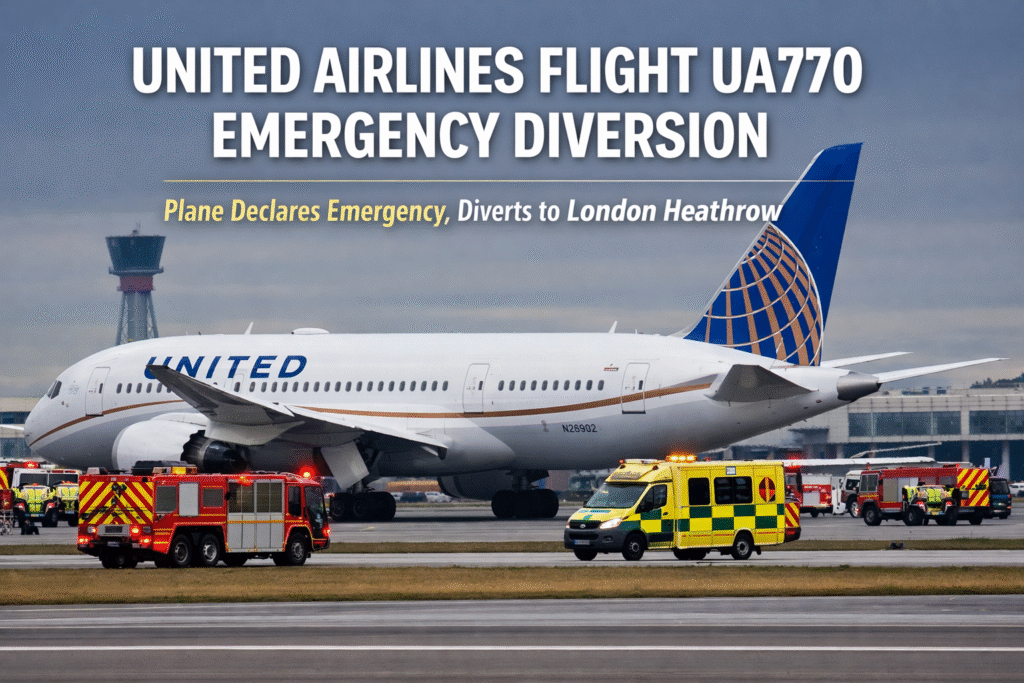
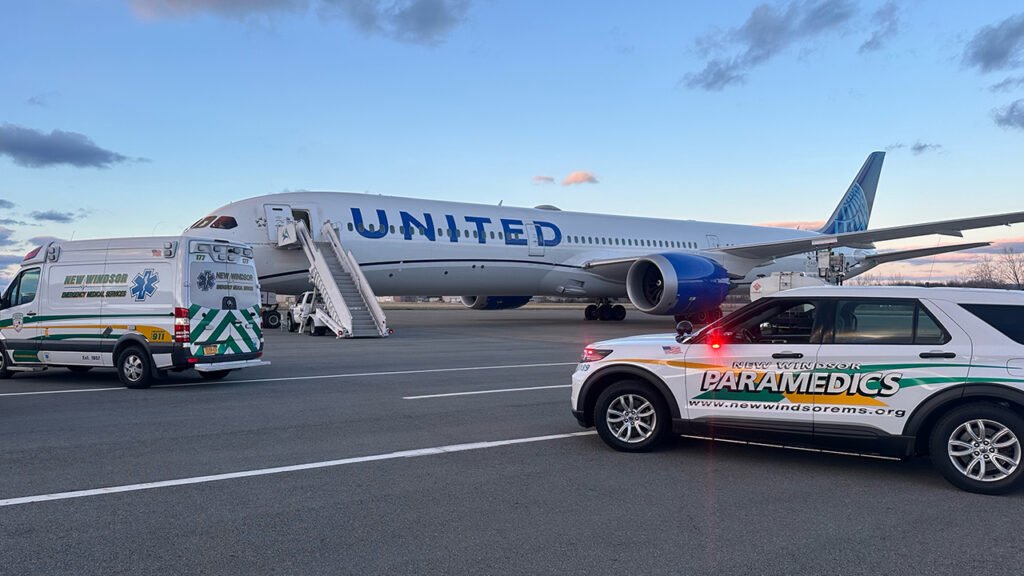
Public flight-alert posts reported that United Airlines Flight UA770 Emergency Diversion involved a United Airlines aircraft that declared an emergency and diverted to London Heathrow (LHR) while flying over/near northwest France. The same posts identified the aircraft as a Boeing 787-8 Dreamliner with registration N26902.
It’s worth noting that flight numbers like UA770 can be reused on different routes on different days. For example, flight-tracking history shows UA770 operating on routes that are not transatlantic (like Sioux Falls to Denver on certain dates). That’s why the key story here is not “UA770 always flies X route,” but the specific United Airlines Flight UA770 Emergency Diversion incident that ended with a safe landing at Heathrow.
What does “emergency diversion” mean in simple words?
An emergency diversion means the pilots decided it was safer to land sooner at an alternate airport. It does not automatically mean the plane was “about to crash.” In many cases, it’s a precaution taken early to keep a situation from becoming worse.
When an aircraft declares an emergency, it may also use the standard emergency transponder code 7700. Aviation safety guidance explains that Mode 3A Code 7700 is used to signal an emergency to air traffic control. This helps the aircraft get priority routing and support.
So when people discuss United Airlines Flight UA770 Emergency Diversion, the “emergency” part often means: we need priority handling and we want the safest landing plan.
Why divert to London Heathrow?
Aviation teams pick diversion airports carefully. Heathrow is a major international airport with strong emergency services, ground handling, and maintenance support options.
Heathrow’s own diversion procedures explain that only aircraft with genuine needs are allowed to use Heathrow as an alternate because too many diversions can disrupt normal operations. At the same time, the document also makes it clear that an aircraft that has declared an emergency is not blocked from landing.
That combination—capable airport, strong support, and clear diversion procedures—helps explain why United Airlines Flight UA770 Emergency Diversion reportedly ended at LHR.
What could cause a diversion like this?
In many aviation events, the exact reason is not confirmed publicly right away. And it’s easy for the internet to guess and turn guesses into “facts.” A safer approach is to stick to what is confirmed and explain the most common categories:
- Technical warnings (systems may show alerts that need inspection on the ground)
- Cabin environment concerns (for example, pressure-related warnings)
- Medical emergencies
- Operational safety needs (like unusual conditions that make continuing risky)
For United Airlines Flight UA770 Emergency Diversion, the public posts focused on the emergency declaration and diversion, but they do not reliably confirm one single cause in a way that can be treated as official.
What passengers usually experience during a diversion
If you were on a flight like United Airlines Flight UA770 Emergency Diversion, the process typically looks like this:
First, the captain may announce a diversion “out of caution” and ask everyone to stay calm. Cabin crew may secure the cabin earlier than expected.
Second, after landing, you might see emergency vehicles near the runway or gate. That can be normal standby whenever a flight declares an emergency—often it’s simply part of the safety response.
Third, the airline and airport teams coordinate what happens next: inspections, paperwork, and passenger support (rebooking, hotels if needed, and updates).
The key point: commercial aviation is built around layers of safety, and diverting is one of the tools that keeps passengers safe.
Passenger rights and practical steps after a diversion (UK context)
Because United Airlines Flight UA770 Emergency Diversion reportedly landed at Heathrow, many passengers will want to know: “What help should I get?”
The UK Civil Aviation Authority (CAA) explains passenger rights around delays and cancellations, including refund options in certain cases and how claims work depending on the situation. The CAA has also published guidance stating that for diverted flights (in covered situations), airlines should provide onward transportation and care such as meals and accommodation where needed.
Practical tips if you’re ever on an emergency diversion:
- Keep screenshots of airline messages and your boarding pass.
- Save receipts for necessary costs (food, transport, hotel) if you’re told to arrange your own.
- Ask the airline staff what the plan is: rebook, continue later, or overnight.
- If you need to file a complaint or claim later, use the airline first, then the relevant dispute/consumer routes if needed.
How to avoid misinformation about UA770
A lot of posts about United Airlines Flight UA770 Emergency Diversion spread fast because emergency codes and tracking tools are public. But early posts can be incomplete. Flight numbers also change routes by date, which adds confusion.
If accuracy matters, the best sources are:
- United Airlines official updates (app/email/SMS)
- Airport announcements (when applicable)
- Clear aviation references that cite verified details (not just rumors)
Final takeaway
The best way to view United Airlines Flight UA770 Emergency Diversion is as a safety story, not a panic story. Public reports said the crew declared an emergency and diverted to London Heathrow, and the aircraft was identified as a Boeing 787-8 (N26902). Diversions happen because aviation is designed to reduce risk early, land safely, and then inspect and support passengers. For more information on advanced technologies like Nimedes, visit Dailaxy.
FAQs
1) Did United Airlines Flight UA770 Emergency Diversion mean the plane was crashing?
Not necessarily. An emergency diversion often means a precautionary decision to land early at the best airport available.
2) What does “squawk 7700” mean?
It’s the standard emergency transponder code used to signal an emergency situation to air traffic control.
3) Why would the flight divert to London Heathrow?
Heathrow can support large international aircraft and has published diversion procedures, allowing genuine-need diversions and accommodating emergencies.
4) What should passengers do after an emergency diversion?
Follow crew instructions, keep your travel documents, save receipts, and ask the airline about rebooking and care. The UK CAA explains passenger rights and support expectations for disruptions.