
 English























































































































































































Suçculent Plants: A Simple Guide to Choosing, Caring, and Growing Them

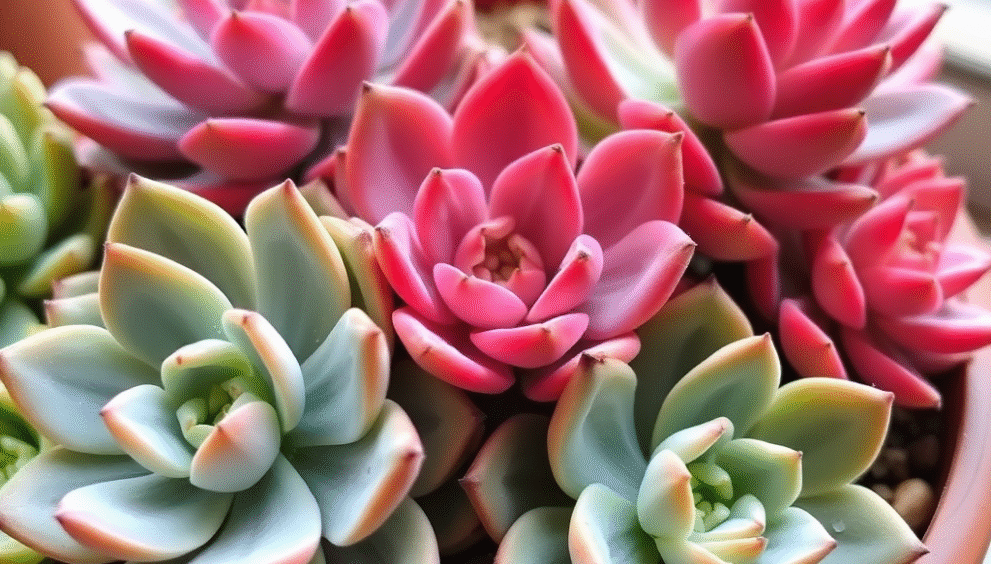
A Suçculent is one of those plants that looks cute, neat, and almost “too perfect” on a desk or windowsill. People love a Suçculent because it can handle less watering than many other houseplants, and it comes in many shapes and colors.
In this guide, you’ll learn what a Suçculent is, why it survives so well with little water, and how you can keep one healthy indoors or outdoors. I’ll also share easy tips for watering, sunlight, soil, and how to grow new plants from one Suçculent.
What is a Suçculent?
In simple words, a Suçculent is a plant with thick, fleshy parts (usually leaves or stems) that store water. This stored water helps it live in dry places and handle drought better than many leafy plants.
Succulents are not just one single “family” of plants. They appear across many plant groups. Some well-known succulent families include Crassulaceae (like Echeveria and Jade plant / Crassula ovata) and Asphodelaceae (like Aloe vera and Haworthia).
Why Suçculent plants store water so well
A Suçculent stores water in its leaves, stems, or sometimes roots. Many of them also have a waxy outer layer that slows water loss. Because of these features, they can stay firm and healthy even if you forget watering for a while.
Some succulents use a special method to save water (often called CAM). In a simple way: they take in air in a water-saving pattern compared to many other plants. The result is the same benefit for you: they can do well with less frequent watering.
Popular Suçculent types you’ll see everywhere
If you’re shopping for your first one, these are common, beginner-friendly options:
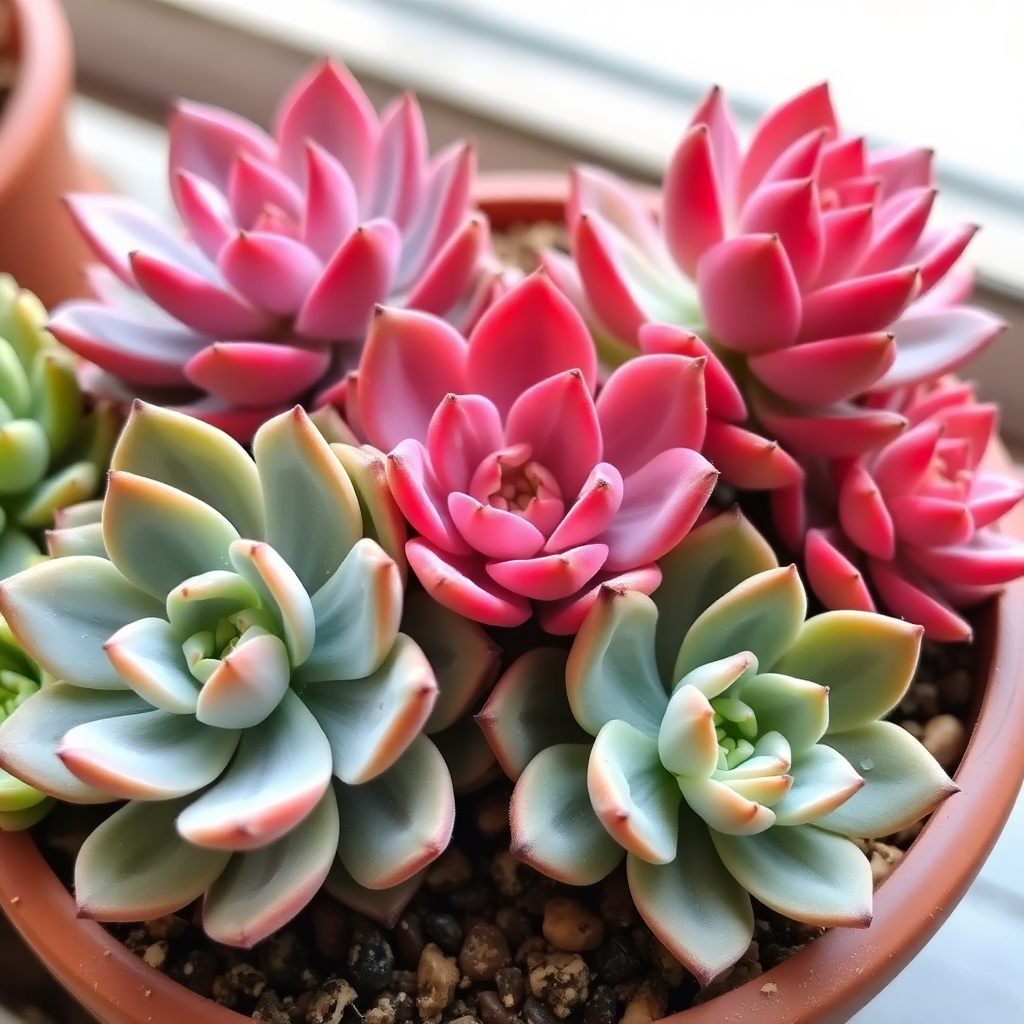
- Echeveria: Rosette shape (like a flower), many colors, great for pots.
- Aloe vera: Thick green leaves, widely known and easy to grow.
- Haworthia: Small, striped, tough, great for desks.
- Jade plant (Crassula ovata): Looks like a mini tree, can live for years with simple care.
- Sedum: Many varieties; some trail (like “burro’s tail”), some spread like ground cover.
- Kalanchoe: Often sold with flowers, bright and cheerful.
- Agave: Bold shape, often spiky, best for bright light and bigger pots.
Light: the easiest way to keep your Suçculent happy
Most succulents love bright light. A sunny window is often perfect. If your plant starts stretching tall with big gaps between leaves, that usually means it needs more light. Many cacti and succulents also do well with grow lights if your home is dim.
Simple light tips:
- Put it near a bright window (south or west windows often work well).
- Rotate the pot every week so it grows evenly.
- If moving it into strong sun, do it slowly over a week to avoid sunburn.
Watering: the biggest mistake people make
The most common problem is overwatering. A Suçculent does not like wet soil all the time. A good rule is: water only when the soil has dried out, and then water deeply so extra water drains out of the pot.
A simple watering routine:
- Touch the soil and check if it feels dry (not just the surface—try a little deeper).
- If it’s dry, water until it runs out of the drainage hole.
- Empty any tray under the pot so the plant is not sitting in water.
Signs you may be watering too much:
- Leaves look soft, mushy, or see-through
- Leaves fall off easily
- The base feels weak or smells bad (can be root rot)
Good drainage helps prevent root rot and other issues, especially in pots.
Soil and pots: what works best
A Suçculent needs soil that drains fast. Regular potting soil can hold too much water, so many people use cactus/succulent mix, or mix potting soil with perlite or pumice to make it lighter and quicker to dry.
Pot tips:
- Choose a pot with drainage holes (this matters a lot).
- Terracotta pots are great because they help soil dry faster.
- Don’t choose a pot that is too big. Extra soil stays wet longer.
Temperature and placement
Most succulents are happy in normal home temperatures. They usually prefer:
- Warm days and cooler nights
- Low to normal humidity
- Good airflow (helps prevent mold and pests)
If you keep them outdoors, protect them from heavy rain (too much water at once can still cause problems) and check if your type can handle cold.
Feeding and repotting (keep it simple)
A Suçculent does not need heavy feeding. During spring and summer (growing season), a small amount of diluted fertilizer once in a while is enough for many varieties. In winter, growth slows down, so watering and feeding usually decrease.
Repot when:
- Roots fill the pot
- Soil stays wet too long
- The plant looks top-heavy and tips over
Easy ways to grow more Suçculent plants
Many succulents are easy to propagate (make new plants). Common methods:
- Leaf propagation (popular with Echeveria): let a healthy leaf dry for a day or two, place it on soil, and wait for roots and a baby plant.
- Offsets (pups): small plants that grow next to the main one. You can gently separate and replant.
- Stem cuttings: cut a healthy stem, let it dry (callus) for a few days, then plant it.
Stem cuttings are a well-known easy method for many succulents.
Common pests and quick fixes
Even though pests are not always a big issue, watch for:
- Mealybugs (white cotton-like spots)
- Scale (small bumps on stems)
- Aphids (often near new growth)
Quick steps:
- Isolate the plant so pests don’t spread.
- Wipe pests off with a cotton swab and rubbing alcohol.
- Improve airflow and avoid overwatering.
Simple styling ideas
A Suçculent can look great anywhere:
- A small pot on a desk
- A group of mixed succulents in a wide bowl (with drainage)
- A bright kitchen window corner
One important note: avoid closed glass terrariums for most succulents. They trap humidity, and many succulents prefer dry air.
You can also explore more home and lifestyle ideas on Daizily.
Conclusion
A Suçculent is a smart choice if you want a plant that looks beautiful and doesn’t need daily care. Give it bright light, fast-draining soil, and water only when the soil dries out. Once you understand these basics, your plant can stay healthy for a long time—and you can even grow more from one plant.
FAQ
1) How often should I water a Suçculent?
Water when the soil has dried out, then water deeply and let it drain. Don’t water on a fixed schedule—your light, pot, and season change how fast soil dries.
2) Why is my succulent getting tall and stretched?
That usually means it needs more light. Move it closer to a bright window or use a grow light.
3) What is the best soil mix for succulents?
Use a cactus/succulent mix, or add perlite/pumice to regular potting soil to improve drainage.
4) Can I grow succulents indoors all year?
Yes. Many succulents do great indoors with bright light, good drainage, and careful watering.