
 English




































































































































































Nlpadel Explained: Why Padel Is Booming in the Netherlands

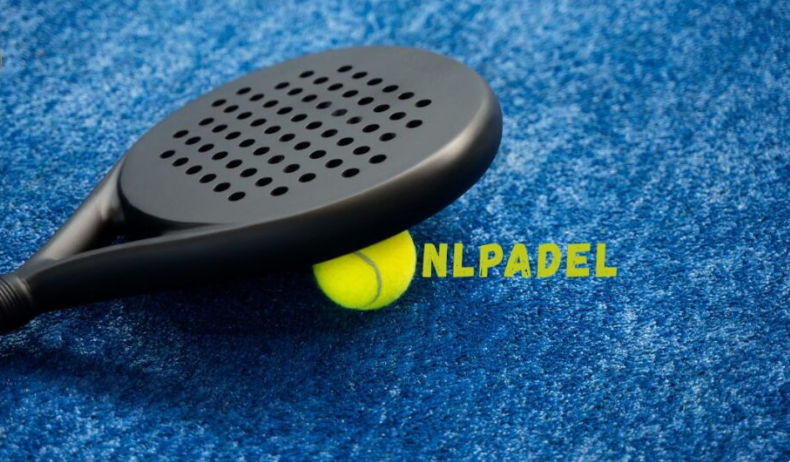
Padel is no longer a small or hidden sport in Europe. In the Netherlands, padel is growing faster than anyone expected. New courts are opening every month, clubs are full, and players from all ages are picking up a padel racket for the first time. In the middle of this fast growth stands Nlpadel, a name that now represents the modern padel movement in the country.
This article explains what Nlpadel is, how padel became popular in the Netherlands, and why this sport is becoming one of the most exciting games in Dutch sports culture. We will also explore how technology, coaching, and smart training tools are helping padel grow even faster.
The Meaning and Scope of Nlpadel
Nlpadel is a term and platform that connects padel in the Netherlands with modern training methods, smart analysis, and digital tools. The name combines “NL,” which stands for the Netherlands, and “padel,” the fast-growing racket sport. Nlpadel focuses on improving the padel experience for players, coaches, and clubs through better data, clear feedback, and organized development.
Nlpadel is not only about playing matches. It is about building a strong padel system in the Netherlands. This includes training programs, match tracking, player development, and support for clubs and academies. The goal of Nlpadel is simple: help padel players learn faster, play better, and enjoy the sport more.
The Early Growth of Padel in the Netherlands
Padel first arrived in the Netherlands as a small sport played by a few tennis players looking for something new. At the start, there were only a few courts and limited awareness. But the game quickly attracted attention because it is easy to learn, social, and fun for all ages.
Unlike tennis, padel does not need strong technical skills in the beginning. New players can enjoy rallies from the first day. This made padel very popular among families, friends, and club players. Soon, tennis clubs began adding padel courts, and new padel-only centers opened in many cities.
As the number of players increased, the need for better coaching, training systems, and match organization also grew. This is where Nlpadel became important.
The Strategic Role of Nlpadel in the Dutch Padel Boom
Nlpadel plays a key role in the success of padel in the Netherlands. It helps bring structure, quality, and modern tools into the sport.
Training and Player Development
Nlpadel supports players with clear training plans and performance tracking. Instead of training without direction, players can now see their progress, understand their weak points, and improve step by step.
Support for Coaches
Coaches use Nlpadel to manage players, plan sessions, and give better feedback. With simple reports and clear data, coaches can explain tactics in an easy way and help players grow faster.
Club and Academy Growth
Many padel clubs in the Netherlands now use systems inspired by Nlpadel to organize leagues, tournaments, and training programs. This creates a strong and professional padel community across the country.
Key Reasons Behind the Popularity of Padel in the Netherlands
There are several reasons why padel is booming in the Netherlands.
Easy to Learn
Padel is simple for beginners. The smaller court, slower ball, and wall system make rallies longer and more fun. New players feel successful very quickly.
Social Sport
Padel is usually played in doubles. This makes it a very social game. Friends, families, and colleagues enjoy playing together, which helps the sport grow naturally.
Indoor and Outdoor Play
The Netherlands has many indoor padel courts. This allows players to enjoy the sport all year, even during cold and rainy seasons.
Strong Club Culture
Dutch sports culture is based on clubs and community. Padel fits perfectly into this system, and many tennis clubs now offer padel as well.
Technology-Driven Training and Performance with Nlpadel
Modern sports grow faster with technology, and padel is no different. Nlpadel uses smart tools to help players and coaches make better decisions.
Some of the main features include:
- Match tracking and score analysis
- Shot selection and success rates
- Player movement and positioning
- Training history and performance trends
With this data, players can see clear patterns. For example, Nlpadel may show that a player wins more points at the net or loses points on backhand returns. This helps players train smarter, not harder.
If you enjoy learning about digital sports tools and new technology trends, you can also explore helpful guides and insights on Daizily.
The Future Outlook of Padel and Nlpadel in the Netherlands
The future of padel in the Netherlands looks very bright. More courts are planned, more young players are joining, and national competitions are becoming stronger.
Nlpadel is expected to grow with the sport by adding:
- Live match analysis tools
- Video feedback for players
- Fitness and injury prevention tracking
- Team strategy systems for doubles play
These developments will help Dutch padel reach an even higher level in the coming years.
Conclusion
Nlpadel represents the modern face of padel in the Netherlands. It combines passion for the game with smart training tools and professional systems. Thanks to Nlpadel, players learn faster, coaches work better, and clubs grow stronger.
Padel is no longer just a trend in the Netherlands. It is becoming a major sport, and Nlpadel is one of the main reasons behind this success story.
Frequently Asked Questions About Nlpadel and Padel in the Netherlands
1. What does Nlpadel mean?
Nlpadel combines “NL” for the Netherlands and “padel.” It represents modern padel training and development in the country.
2. Is padel easy for beginners in the Netherlands?
Yes, padel is very beginner-friendly. Most players can enjoy rallies from their first session.
3. Can coaches use Nlpadel for training?
Yes, many coaches use Nlpadel tools to track players, plan sessions, and give clear feedback.
4. Is padel growing fast in the Netherlands?
Yes, padel is one of the fastest-growing sports in the Netherlands, with new courts and clubs opening every year.