
 English
























































































































































































Diag Image: How Medical Imaging Helps Doctors Find Problems Early


When you feel pain, notice unusual symptoms, or your doctor wants to check your health, one of the most helpful tools today is medical imaging. Diag Image is a simple way to describe the scans and tests that create pictures of the inside of your body. These pictures help doctors find problems early—sometimes before you even feel sick. Early detection often means faster treatment, fewer complications, and better recovery.
This article explains Diag Image in easy words. You will learn what it is, how it works, which scans are common, what “early detection” really means, and how to prepare for your scan. You will also find simple FAQs at the end.
What Is Diag Image?
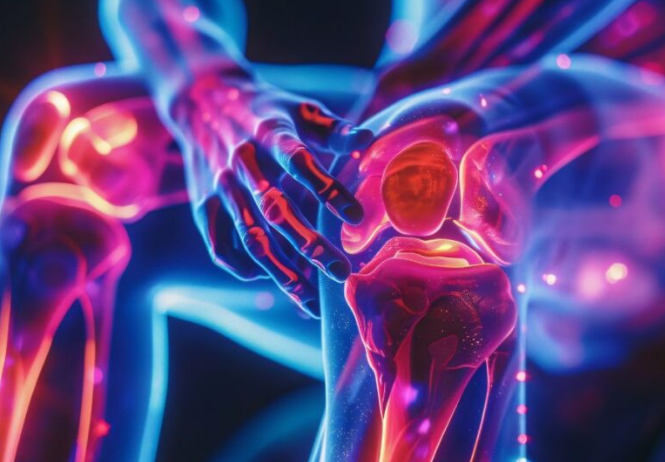
Diag Image means using medical scans to see what is happening inside the body without surgery. Doctors use these scans to check bones, organs, blood vessels, and soft tissues like muscles, ligaments, and the brain. A trained doctor called a radiologist reads these images and writes a report. Your main doctor then uses that report to decide the next step.
In many cases, Diag Image saves time. Instead of guessing, doctors can look at clear images and make better decisions. This is one reason why Diag Image is important in emergency care, routine checkups, and long-term disease monitoring.
Why Early Detection Matters So Much
Finding a health problem early can change everything. Many serious conditions start small and silent. By the time symptoms become strong, the condition may be harder to treat. That is why doctors often recommend Diag Image even when symptoms are mild.
Here is what early detection can do:
- Find problems before they become severe
- Help start treatment sooner
- Reduce the risk of complications
- Lower overall treatment cost in many cases
- Improve survival rates for some diseases
- Avoid unnecessary medications by confirming the real issue
For example, a small fracture may not show obvious swelling at first, but Diag Image can confirm it quickly. A blocked blood vessel, early pneumonia, or a tumor can also be spotted earlier through the right scan.
Common Types of Diag Image and What They Detect
Different scans are used for different needs. Your doctor chooses the best one based on symptoms, age, medical history, and risk factors.
1) X-ray
An X-ray is one of the most common Diag Image tests. It is fast and useful for:
- Broken bones and joint problems
- Chest checks for lung infection or fluid
- Dental and sinus checks (in some cases)
X-rays use a small amount of radiation, but they are considered safe when used correctly.
2) Ultrasound
Ultrasound uses sound waves, not radiation. It is safe and widely used for:
- Pregnancy and baby monitoring
- Gallbladder and liver checks
- Kidney stones and urinary issues
- Thyroid lumps
- Blood flow checks (Doppler ultrasound)
Ultrasound is also a helpful Diag Image option for children and pregnant women due to no radiation.
3) CT Scan (Computed Tomography)
A CT scan takes many X-ray images and creates detailed cross-section views. Doctors use this Diag Image test for:
- Head injury and stroke checks
- Internal bleeding after an accident
- Lung problems and chest pain
- Abdominal pain like appendicitis
- Cancer evaluation in some cases
CT scans can be very detailed and fast, especially in emergencies.
4) MRI (Magnetic Resonance Imaging)
MRI uses strong magnets and radio waves, not radiation. It is a powerful Diag Image tool for:
- Brain and spinal cord problems
- Torn ligaments or cartilage (knee, shoulder)
- Disc issues and nerve pressure
- Tumors in soft tissues
- Joint and muscle injuries
MRI takes longer than CT or X-ray, but it gives very clear soft tissue images.
5) Mammogram
A mammogram is breast imaging used mainly for screening and early detection of breast changes. This Diag Image test helps find issues early, often before a lump can be felt.
6) Nuclear Medicine and PET Scans
These scans look at how organs work, not just their shape. They are used in:
- Some cancer evaluations
- Heart blood flow tests
- Bone scans for certain conditions
These are advanced Diag Image methods used when doctors need deeper information.
How Diag Image Helps Doctors Find Problems Early
Now let’s explain the “hidden power” part in a simple way: Diag Image helps doctors see problems at an early stage in several key areas.
Early detection of infections
Chest X-rays and CT scans can detect pneumonia or lung infection early. Ultrasound can help detect infections in organs or fluid collections. Finding infection early helps doctors start the right antibiotics and avoid serious spread.
Early detection of cancers and tumors
Some tumors do not cause pain in the beginning. Imaging can detect unusual masses, changes in tissue, or abnormal growth patterns. Mammograms help in breast screening, CT scans help check organs, and MRI can show soft tissue tumors. Early detection often means treatment options are better.
Early detection of heart and blood vessel issues
Imaging can identify blocked vessels, swelling, or structural problems. Doppler ultrasound can check blood flow. CT and special imaging can help in certain heart conditions. Early detection helps prevent heart attacks and strokes in high-risk cases.
Early detection of brain problems
With CT and MRI, doctors can see bleeding, swelling, stroke signs, and tumors. This is very important because brain issues can worsen quickly. Diag Image supports faster action when time matters.
Early detection of bone and joint damage
Small fractures, early arthritis changes, and ligament injuries can be detected with X-ray or MRI. Early treatment can prevent long-term pain and disability.
Monitoring long-term diseases
People with chronic conditions may need scans to track changes. For example, imaging helps monitor kidney stones, liver conditions, tumors, or spine problems. In this way, Diag Image supports treatment planning over time, not just diagnosis.
What to Expect During a Diag Image Test
Most Diag Image appointments follow a simple process:
- Check-in and basic questions
You may be asked about allergies, kidney problems, pregnancy, and previous surgeries. - Preparation
You may need to remove metal items, change into a gown, or follow fasting instructions (mostly for CT with contrast). - During the scan
A trained technologist will guide you. You may be asked to lie still, hold your breath briefly, or change position. Most scans are painless. - After the scan
Most people return to normal activities. If contrast dye is used, you may be told to drink water.
Safety: Radiation and Contrast Dye
Many people worry about safety. It is normal to ask questions. Here is the simple truth:
- X-rays and CT scans use radiation, but doses are controlled and kept as low as possible. Doctors only recommend them when needed.
- Ultrasound and MRI do not use radiation.
- Contrast dye may be used in CT or MRI to make images clearer. Some people feel warmth or a metallic taste for a short time. Allergic reactions are rare, but you should tell the staff about allergies or kidney issues.
A good imaging center will follow safety rules and explain everything clearly. If you want to learn more health topics in simple language, you can visit daizily for helpful guides.
How to Get the Best Results from Your Diag Image
To make your Diag Image test smooth and accurate:
- Follow fasting instructions if given
- Wear comfortable clothing
- Remove jewelry and metal items
- Share your full medical history and current medicines
- Mention pregnancy or any chance of pregnancy
- Stay still during the scan for clear images
Clear images help the radiologist write a better report, which helps your doctor choose the right treatment.
Final Thoughts
Diag Image is one of the most powerful tools in modern healthcare because it helps doctors find problems early. From infections and fractures to tumors and organ issues, imaging gives clear answers and reduces guesswork. Early detection leads to faster care, better planning, and often better outcomes. If your doctor recommends a scan, it is usually because the benefits of knowing the real cause are greater than waiting.
FAQs
1) What does Diag Image mean?
Diag Image refers to diagnostic imaging tests like X-ray, ultrasound, CT scan, and MRI that help doctors see inside the body.
2) Which scan is safest?
Ultrasound and MRI are considered very safe because they do not use radiation. X-rays and CT scans are also safe when used only when needed.
3) How long does it take to get results?
It depends on the center and scan type. In many cases, reports are ready within 24–72 hours. Emergency scans are read faster.
4) Do I need to prepare before imaging?
Sometimes yes. Some scans require fasting, and many require removing metal items. Your clinic will tell you what to do before the appointment.