
 English

























































































































































































Asbestlint and Its Dangers: Asbestos Rope, Tape, and Textiles in Older Buildings

Asbestos has been a critical building material for decades, owing to its heat resistance, durability, and insulating properties. However, in recent years, we have come to understand the serious health risks that asbestos exposure can pose. Among the many asbestos-containing materials used in buildings, asbestlint—a form of asbestos tape, rope, or textile—was once common in older constructions. These materials, while highly effective at insulating and providing heat resistance, now pose significant risks when disturbed or improperly handled. In this article, we will explore the dangers of asbestlint, its historical use in older buildings, and the safety precautions that should be taken when dealing with it.
What is Asbestlint?
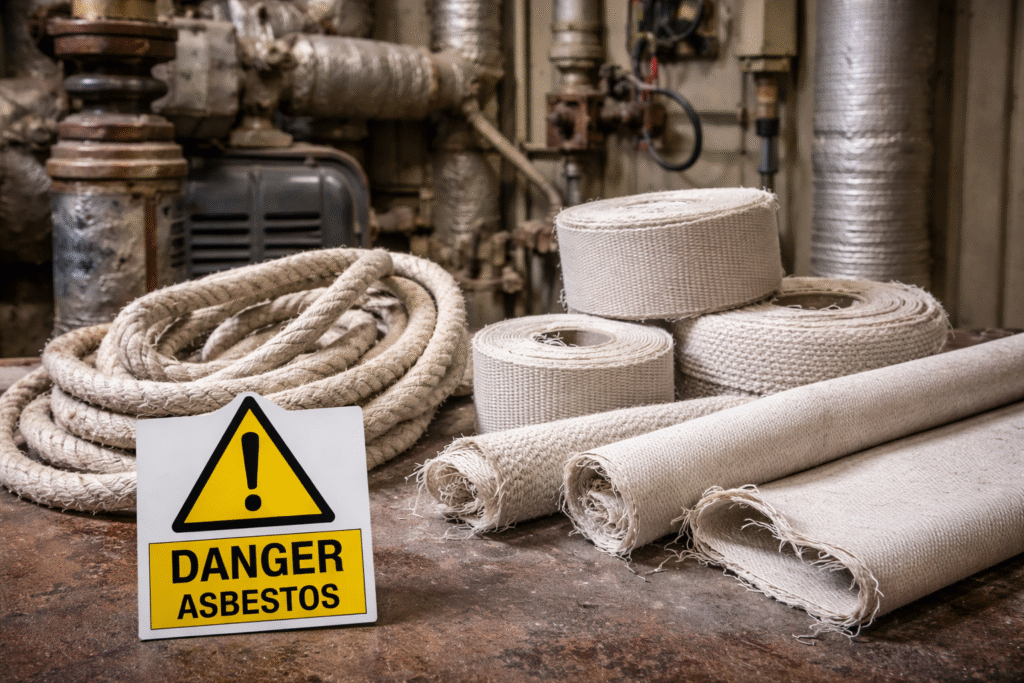
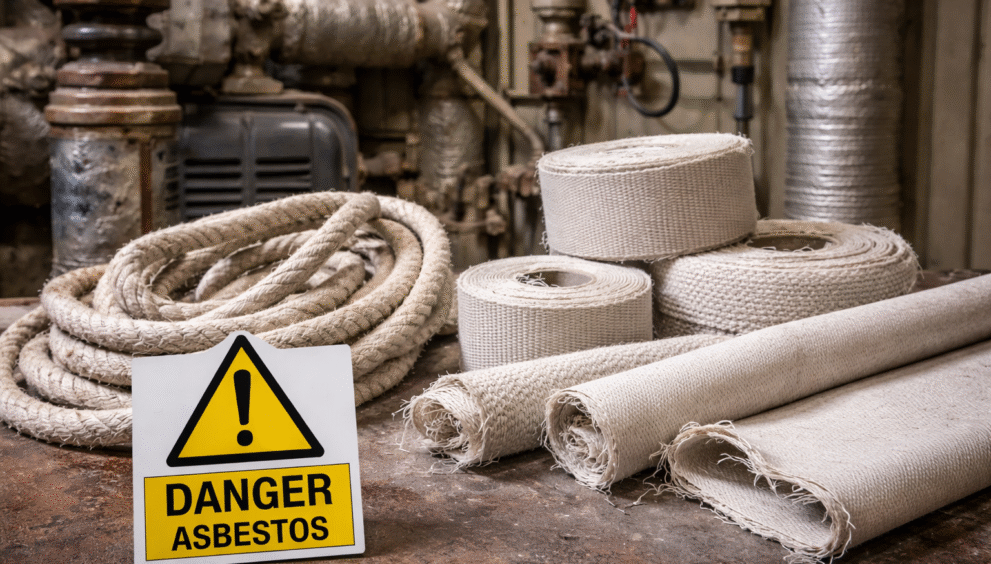
Asbestlint refers to a specific form of asbestos material that is often found in the form of rope, tape, or textiles used for insulation and sealing. This material was commonly used in the construction, automotive, and industrial sectors before the health risks associated with asbestos became well-known. Asbestlint was prized for its ability to resist heat and fire, making it a popular choice for sealing pipes, joints, and ducts in buildings and industrial machinery.
The material is composed of woven asbestos fibers, which were often coated with a bonding agent to create a strong, durable fabric-like material. Due to its fibrous nature, asbestlint was particularly useful for insulating areas exposed to extreme temperatures, such as boiler rooms, machinery, and chimneys.
The Dangers of Asbestlint
Although asbestlint was widely used in older buildings for its insulating and fire-resistant qualities, it is now considered hazardous due to the dangers of asbestos exposure. Asbestos fibers, when released into the air, can be inhaled and cause a range of serious health issues. The primary risks associated with asbestos exposure include:
1. Asbestosis
Asbestosis is a chronic lung disease that occurs after prolonged exposure to asbestos fibers. When these fibers are inhaled, they can cause scarring in the lungs, making it difficult for the lungs to expand and contract properly. This results in breathing difficulties and a reduced ability to perform physical activities.
2. Mesothelioma
Mesothelioma is a rare but aggressive cancer that affects the lining of the lungs, abdomen, or heart. The disease is almost exclusively caused by asbestos exposure and can take decades to develop after the initial contact. Mesothelioma is often diagnosed at advanced stages, making it challenging to treat.
3. Lung Cancer
Asbestos exposure is also a known cause of lung cancer, which is a leading cause of death worldwide. Inhalation of asbestos fibers increases the risk of developing lung cancer, especially when combined with smoking.
4. Pleural Plaques
Pleural plaques are areas of thickening that form on the lining of the lungs due to asbestos exposure. While they are not cancerous, pleural plaques are considered an indication of past exposure and may be linked to more serious diseases later in life.
The primary risk associated with asbestlint is the release of these dangerous asbestos fibers into the air. When asbestlint is disturbed, either through wear and tear, renovations, or accidental damage, the fibers are easily released into the environment, creating an inhalation risk for anyone nearby.
Where Can Asbestlint Be Found in Older Buildings?
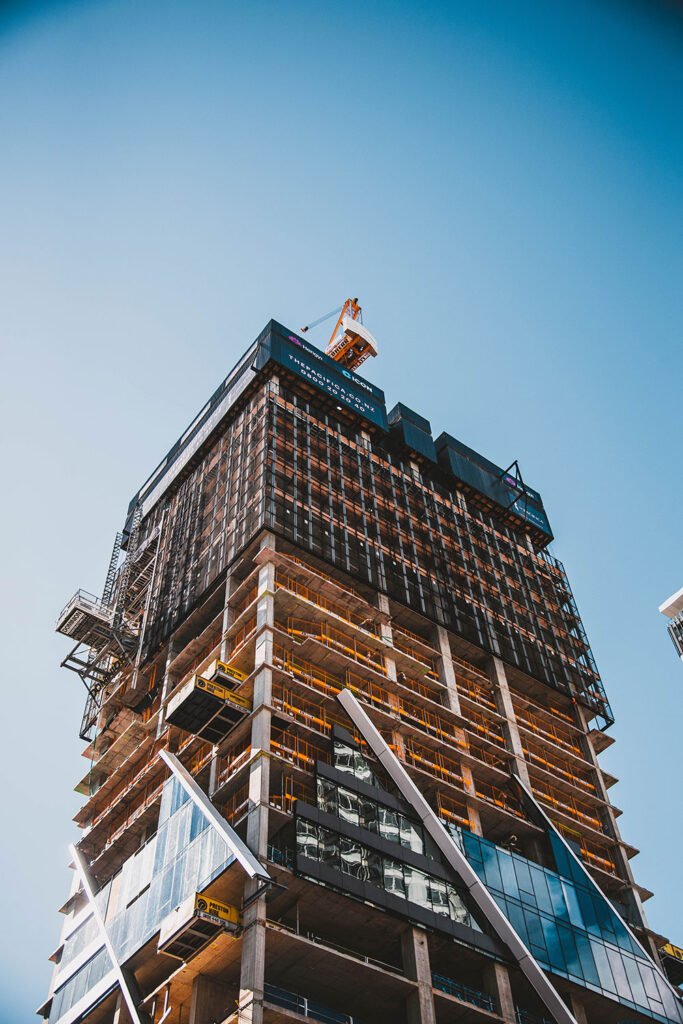
Asbestos-containing materials like asbestlint are often found in older buildings constructed before the 1980s, when asbestos was still commonly used. Asbestlint could be used in a variety of applications, including:
- Pipe Insulation: Asbestlint was often wrapped around pipes to prevent heat loss and protect the pipes from high temperatures.
- Ductwork: In older buildings, asbestlint was commonly used to seal ductwork, ensuring that air could flow efficiently while preventing heat escape.
- Electrical Insulation: Asbestos textiles, including asbestlint, were also used for insulating electrical wiring, offering protection against fire and heat.
- Boilers and Furnace Areas: Asbestlint was used in areas exposed to extreme temperatures, such as near boilers, furnaces, and fireplaces.
- Fireproofing: Asbestlint was sometimes used in fireproofing materials due to its ability to resist heat and flames.
Buildings constructed before the 1980s are at the highest risk for containing asbestlint, and these materials are still present in many older homes, commercial properties, and industrial buildings today.
What to Do if You Find Asbestlint in Your Building?
If you come across asbestlint or suspect that it may be present in your building, it’s essential to handle it with care. Disturbing asbestos-containing materials can cause the fibers to become airborne, increasing the risk of exposure. Here are the steps you should take if you encounter asbestlint:
1. Do Not Disturb the Material
If the asbestlint is intact and in good condition, it may not pose an immediate risk. However, if the material is damaged, it can release harmful fibers into the air. Avoid any activities that could disturb the material, such as drilling, cutting, or sanding.
2. Hire a Professional Asbestos Removal Service
If you suspect that asbestlint is present in your building, it is essential to hire a licensed asbestos removal company. These professionals are trained in handling asbestos and will safely remove or encapsulate the material according to local regulations.
3. Follow Local Regulations for Asbestos Disposal
Asbestos waste must be disposed of in a specific manner, following local regulations to prevent contamination of the environment and exposure to others. A professional asbestos removal company will be able to handle the disposal process correctly.
4. Use Personal Protective Equipment (PPE)
If you must handle asbestlint yourself (although not recommended), make sure to wear proper PPE, including a respirator, gloves, and coveralls. These items will help minimize the risk of exposure.
Alternatives to Asbestlint
Given the risks associated with asbestlint, there are several safer alternatives that can be used for similar applications. These include:
- Fiberglass Tape: A widely available and safe alternative to asbestlint, fiberglass tape provides heat resistance without the risks of asbestos.
- Mineral Insulation: This type of insulation offers high-temperature resistance without containing any hazardous materials like asbestos.
- Silicone Rubber Tape: Silicone tape is another excellent alternative, offering both heat resistance and durability without the dangers of asbestos.
These alternatives are safer and do not pose the same health risks as asbestlint.
Conclusion
While asbestlint played a critical role in construction and industrial applications in the past, it is now recognized as a dangerous material due to the risks associated with asbestos exposure. If you suspect that your home or building contains asbestlint, it is crucial to take the proper precautions, including contacting a professional asbestos removal service. By understanding the dangers of asbestlint and following safety guidelines, you can help protect yourself and others from the harmful effects of asbestos exposure. For more information on handling asbestos and finding safe alternatives, visit daizily.
FAQs About Asbestlint
Q1: Can I remove asbestlint myself?
It is not recommended to remove asbestlint yourself. Asbestos removal should always be handled by a professional to ensure safety and prevent exposure.
Q2: How can I tell if the tape in my building contains asbestos?
The only way to definitively determine if asbestlint contains asbestos is through professional testing. If the material is old, it is more likely to contain asbestos.
Q3: What should I do if I find asbestlint in my home?
If you find asbestlint in your home, avoid disturbing it and contact a licensed asbestos removal service to ensure safe handling and removal.
Q4: What are the health risks of being exposed to asbestlint?
Exposure to asbestlint can lead to serious health conditions, including asbestosis, mesothelioma, and lung cancer. It is essential to minimize exposure to asbestos fibers.