 English

































































































































































The Story of Biscotti Бишкоти ди Прато: Tuscany’s Crunchy Biscuit

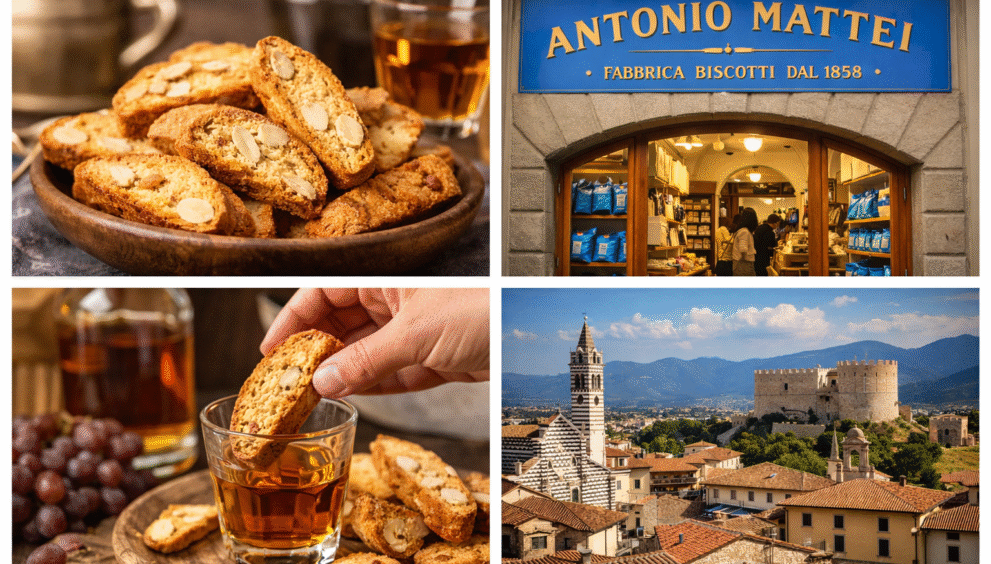
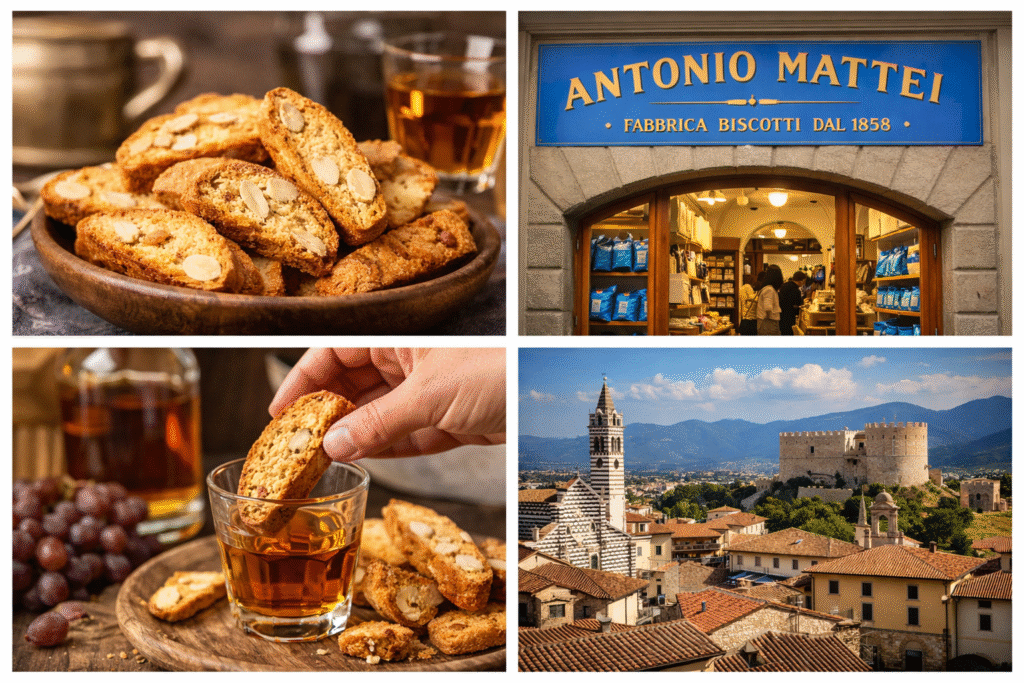
If you ever sit down in Tuscany after a meal, there is a good chance you will see a small plate of crunchy almond biscuits on the table. That classic treat is Бишкоти ди Прато. These biscuits come from Prato, a city in Tuscany near Florence, and they are known for one simple thing: they are baked twice, which makes them dry, crisp, and perfect for dipping.
People outside Italy often say “biscotti” for this style of cookie. In Italy, you will also hear cantucci, cantuccini, or biscotti di Prato. The names change by place and size, but the idea stays the same: a twice-baked almond biscuit that lasts longer than soft cookies and tastes best with a drink.
What makes Biscotti di Prato special?
Бишкоти ди Прато are not soft cookies. They are meant to be crunchy. The dough is shaped into long logs, baked once, sliced, then baked again. This second bake dries the slices and gives them that famous snap.
This is not just for texture. The double-bake method also helps the biscuits stay fresh for longer. That made them useful in older times when people needed food that could be stored and carried.
A short history: Prato, tradition, and Antonio Mattei
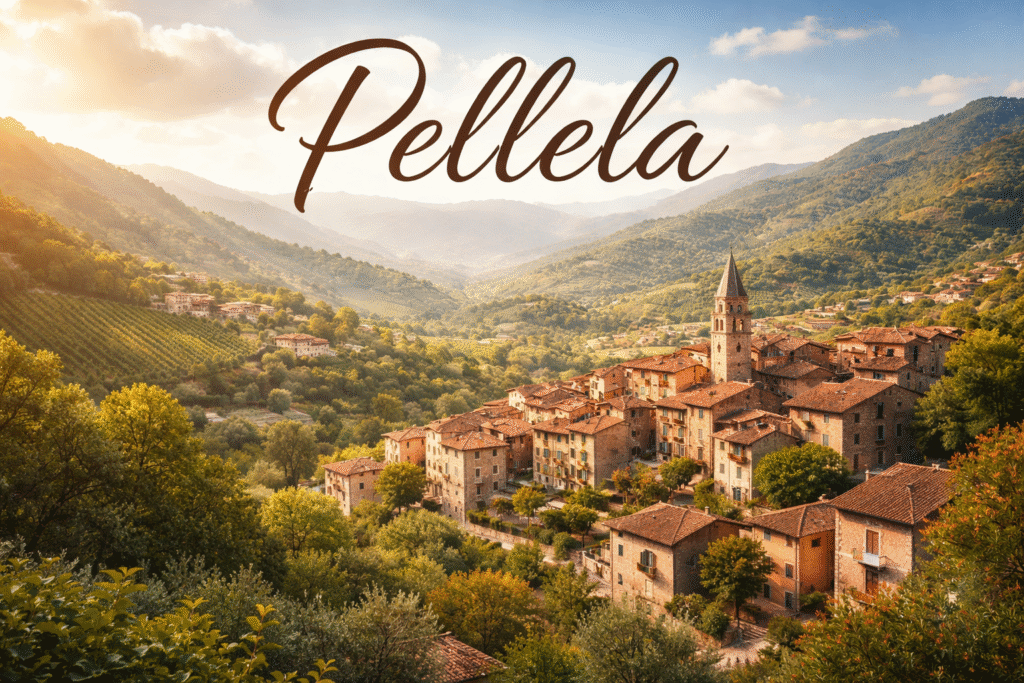
The story of Бишкоти ди Прато is closely tied to Prato itself. Many sources point to Prato as the origin place for these almond biscuits.
One famous name you will often see is Antonio Mattei. His bakery in Prato dates to 1858, and it helped make this local biscuit known far beyond Tuscany. Some accounts also mention awards and recognition in big exhibitions during the 1800s, which added to the biscuit’s reputation.
Today, Prato still treats this biscuit as part of its identity. It is not just a cookie, it is a piece of local food culture.
Why they are called “biscotti” (twice cooked)
A helpful detail for understanding Бишкоти ди Прато is the word itself. “Biscotti” comes from the idea of “twice cooked.” That is exactly how these biscuits are made.
This is why they feel dry compared to many desserts. They are built for dipping, not for melting in your mouth like cake.
Ingredients: simple and clear
Traditional Бишкоти ди Прато are usually made with a short list of basic ingredients. Most classic versions focus on:
- Flour
- Sugar
- Eggs
- Almonds
Some versions also include pine nuts, and many recipes keep the fat very low, which supports the dry and crisp texture.
Because the ingredient list is simple, the quality of almonds matters. Good almonds give the biscuit its main flavor. The taste is lightly sweet, nutty, and toasted.
How they are made: the twice-baked method
Here is the simple process behind Бишкоти ди Прато:
- Mix a firm dough with flour, sugar, and eggs
- Fold in whole or chopped almonds
- Shape the dough into long logs
- Bake the logs until set and lightly golden
- Slice the logs while they are still warm
- Bake the slices again to dry them out and make them crisp
That slicing step is important. If you slice too late, the log becomes too hard and may crumble. Many bakers slice when the log is warm so the cuts stay clean.
The classic way to eat them: dip and enjoy
The best-known pairing is Vin Santo, a traditional Italian dessert wine strongly linked with Tuscany. The local habit is simple: dip the biscuit into the wine, let it soak for a moment, and eat. This pairing is so common that people often say “cantucci e Vin Santo” as a set.
If you do not drink wine, you can still enjoy Бишкоти ди Прато in other ways:
- With espresso or cappuccino
- With black tea
- With hot milk
- With dessert coffee after dinner
Dipping softens the bite and brings out the almond flavor.
Modern ways people use Biscotti di Prato
Even though Бишкоти ди Прато feel traditional, people now use them in many simple desserts:
- Crushed on top of gelato
- Served with mascarpone cream
- Used as a crunchy layer in desserts that replace ladyfingers
- Gifted in a box for holidays
Food writers also mention cantucci being used with Vin Santo in Tuscan-style desserts, showing how the biscuit keeps finding new uses while staying classic.
How to choose good quality (if you are buying)
If you buy Бишкоти ди Прато online or in a shop, here are easy signs of quality:
- You can clearly see almonds in every slice
- The biscuit smells toasted, not stale
- The ingredient list is short and understandable
- The slices are dry and crisp, not soft
Be careful with very cheap versions that taste mostly like sugar. The best ones have balance: mild sweetness, real almond taste, and a clean crunch.
If you want more simple food guides and helpful reading in the same style, you can check out more articles on Daizily.
Storage tips: keep the crunch
Because Бишкоти ди Прато are dry, they store well.
- Keep them in an airtight container
- Store in a cool, dry place
- Avoid the fridge, because moisture can soften them
If they do get soft, you can refresh them by warming them in the oven for a few minutes, then letting them cool fully.
Variations you may see
The original style is almond-focused, but many bakeries make variations. You may find:
- Pistachio
- Hazelnut
- Chocolate chunks
- Orange zest
- Anise flavor
- Smaller cantuccini size
Even with these changes, the heart of Бишкоти ди Праto stays the same: a twice-baked biscuit meant to be dipped.
Visiting Prato: a food stop for biscuit lovers
If you ever travel in Tuscany, Prato is an easy day trip from Florence. It is known for its food and its long connection to cantucci. Some well-known historic producers have even opened parts of their process to visitors, showing how the biscuits are mixed, baked, sliced, and packed.
You do not need a deep food tour to enjoy it. Even a simple coffee stop with a few pieces of Бишкоти ди Прато can feel like a real Tuscan moment.
Conclusion
Бишкоти ди Прато are popular for a clear reason. They are simple, well-made, and tied to a real place and a real tradition. They use basic ingredients, a smart twice-baked method, and a serving style that invites you to slow down and dip. Whether you enjoy them with Vin Santo, espresso, or tea, they bring a small piece of Tuscany to the table.
FAQ
1) Are Biscotti di Prato and cantucci the same thing?
They are closely linked. “Biscotti di Prato” is a Prato and Tuscany style, and “cantucci” is a common Italian name used for these biscuits. Outside Italy, many people simply say “biscotti.”
2) Why are they so hard and crunchy?
Because they are baked twice. The second bake dries the slices, making them crisp and long-lasting. They are meant to be dipped in a drink.
3) What drink is best with Biscotti di Prato?
The most traditional choice is Vin Santo, a Tuscan dessert wine often served with cantucci for dipping. Coffee and tea are also common.
4) How many times should I mention the main keyword in a blog?
A natural approach is best. Use Бишкоти ди Прато in key places like the title, intro, and a few headings, and keep the rest focused on helping the reader.