
 English


























































































































































































Tumbons: A Sign of Strength and Flexibility

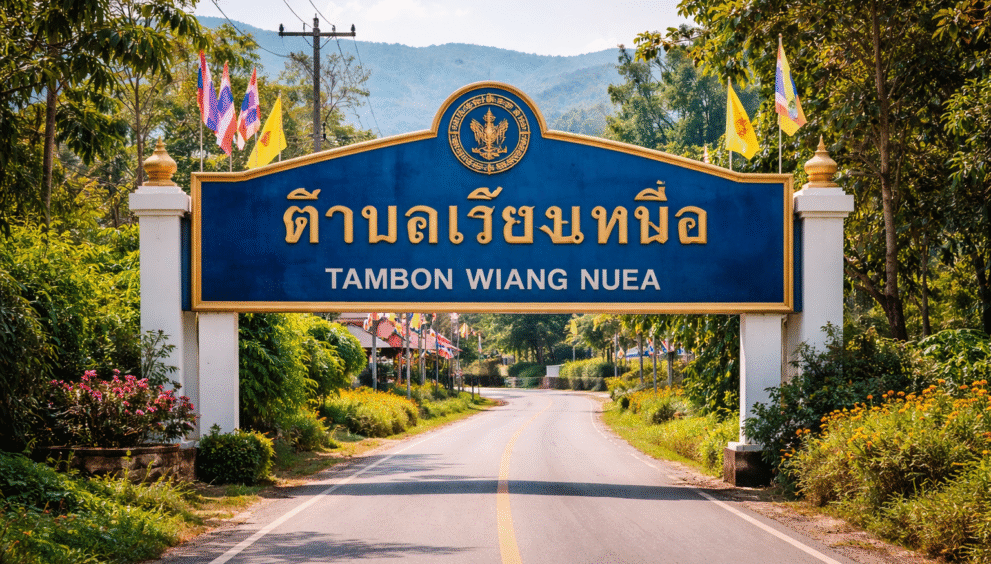
When people talk about Thailand’s local areas, one word comes up again and again: Tumbons. In simple terms, Tumbons are local subdistrict areas that sit under a district and a province. They may look like “just a boundary on a map,” but in real life they work like a local backbone. They help communities stay organized, solve problems faster, and adjust to change in a practical way.
This is why Tumbons can be seen as a sign of strength and flexibility. They bring people together at a local level, make services easier to manage, and help local life run smoothly—especially outside big cities.
What are Tumbons, in very simple words?
In Thailand’s administrative system, areas are usually divided like this:
- Province (Changwat)
- District (Amphoe)
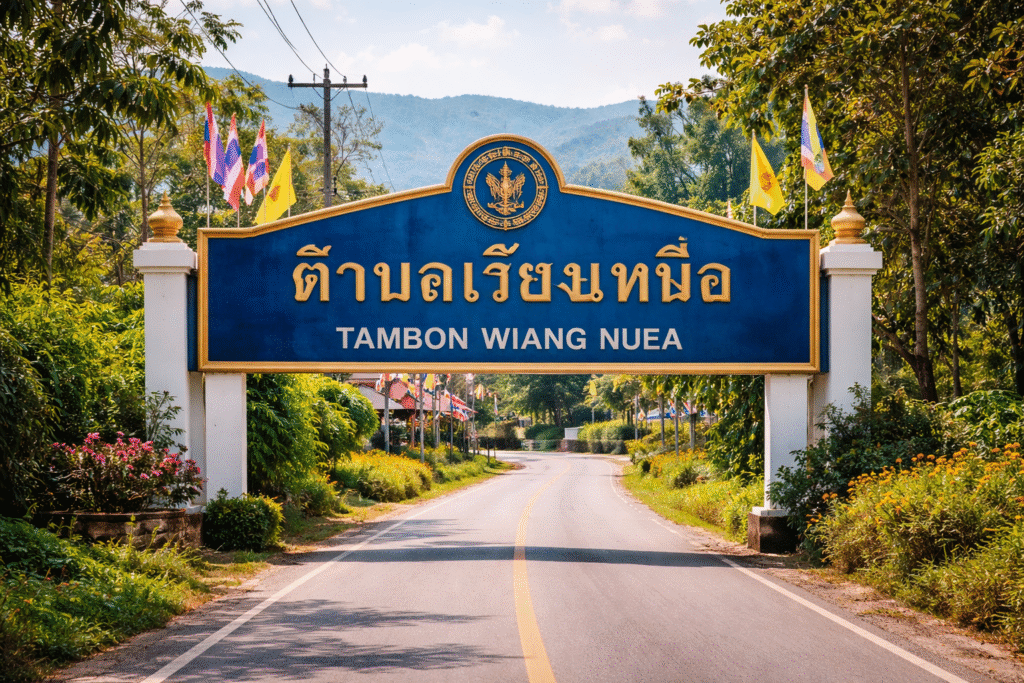
- Tumbons (Subdistrict / Tambon)
- Village (Muban)
So Tumbons are not the biggest unit and not the smallest. They sit in the middle, where local coordination becomes possible. Many daily needs—like roads, small public works, community support, and local planning—are easier to manage at this level than from far away.
People often see Tumbons written in addresses, on maps, and in government forms. If you’re traveling, running deliveries, doing local research, or setting up a service area, knowing the Tumbons name can save you from confusion.
Why Tumbons show strength
Strength is not only about power. It is also about being steady and reliable. Tumbons show this kind of strength in several ways.
1) They keep local life organized
Local organization is one of the biggest reasons Tumbons matter. When an area has a clear structure, it is easier to:
- identify local needs
- plan small improvements
- share updates with residents
- manage local records and locations
A village alone may be too small for bigger planning. A whole district may be too large to handle small issues quickly. Tumbons sit at a level that makes local planning realistic.
2) They connect villages and people
Many Tumbons include multiple villages (muban). This creates a natural network. People can work together on common needs like shared roads, water management, public cleanliness, or community support programs.
When communities feel connected, they can respond better to problems. That local connection is a quiet form of strength.
3) They support local identity
Even when people move for work, local identity stays important. A tambon name can be tied to family roots, local traditions, temples, markets, food, and crafts. Tumbons often carry local culture in a way that feels personal and real, not formal.
Why Tumbons show flexibility
Flexibility means the ability to adjust without breaking. Local areas face change all the time—population shifts, new roads, tourism growth, business expansion, and even sudden problems like flooding. Tumbons help local systems adjust in practical ways.
1) They help services match local needs
A rural area and an urban area do not need the same kind of support. Tumbons allow local planning to be closer to real needs. In many places, local administration can respond faster because they understand local conditions better than a distant office would.
2) Different local administration types can apply
Some areas are managed through local subdistrict organizations (often known in English as TAO/SAO—Tambon Administrative Organization), while more urban areas may be managed as municipalities (thesaban). The key point is: the system can adapt based on how developed the area is.
That ability to use different local structures is part of why Tumbons reflect flexibility.
3) They help people navigate real locations
In daily life, flexibility also means “easy to use.” Tumbons are used in:
- addresses and delivery details
- map search and location tagging
- school or clinic service areas
- local business coverage zones
Even if you do not work with government systems, you may still benefit from knowing Tumbons because they make location info clearer.
Tumbons and local economic growth
Many people connect local areas with local products. Thailand has a famous idea: each local area can support unique products—such as crafts, textiles, food items, or community-made goods. Programs like One Tambon One Product (OTOP) are built around this concept, and they show how a local area can support local income.
This is another reason Tumbons represent strength: they can help small communities create value, build pride, and earn through local skills.
Tumbons in travel and daily planning
If you are planning travel, moving to Thailand, or writing content about places, Tumbons can help you be more accurate.
For example, some place names repeat across Thailand. A temple or market name may exist in more than one province. When you add the district and Tumbons name, you reduce confusion and help people reach the correct location.
If you publish location-based content, it also helps to mention the right area level. This improves clarity for users, not just search engines. If you want simple content ideas and guides, you can also explore helpful reading on Dailaxy once.
Bangkok vs the rest of Thailand
Bangkok uses slightly different words. Instead of amphoe and tambon, Bangkok often uses:
- Khet (district)
- Khwaeng (subdistrict)
So if you do not see Tumbons in a Bangkok address, do not worry. It is still a similar idea—just different terms.
A practical example: why this matters
Imagine you run a local service (like cleaning, delivery, taxi, or home repair). If you only say “we serve this province,” it is too broad. If you only say “we serve one street,” it is too narrow. Tumbons let you describe coverage in a clean, understandable way.
This also helps with customer support because people can say, “I’m in this tambon,” and you can quickly understand where they are.
FAQs
1) What are Tumbons in Thailand?
Tumbons are subdistricts in Thailand. They sit below districts (amphoe) and provinces (changwat), and often include multiple villages.
2) Why do people use Tumbons in addresses?
Because Tumbons make locations clearer. They help identify the exact local area, especially when place names repeat in different districts or provinces.
3) Are Tumbons only for rural areas?
No. Tumbons exist across Thailand, but the type of local administration may differ. More urban areas may be under municipalities, while many rural areas connect to TAO/SAO systems.
4) Is “Tumbons” the same as “Tambon”?
Yes, in meaning. “Tambon” is a common spelling in English sources, but many people search and write Tumbons. Both refer to Thailand’s subdistrict level.